Water Is Easy to Ignore Until It Isn’t
There’s something interesting about water. We use it constantly, yet most of us rarely stop to think about it. It’s simply there when we need it. We turn on the faucet in the morning, make coffee, brush our teeth, wash vegetables for dinner, and move on with our day.
Because water is such a routine part of life, it often fades into the background. That’s why many homeowners don’t pay much attention to it until something changes. Maybe the water develops a strange taste. Perhaps the shower leaves skin feeling unusually dry, or the dishes come out of the dishwasher covered in cloudy spots.
At first, these seem like minor inconveniences. But sometimes they’re signs that your water deserves a closer look.
The truth is that water quality influences far more than what ends up in a glass. It affects comfort, cleaning, household efficiency, and even the lifespan of appliances. Once you start paying attention, you realize just how connected water is to everyday life.
Every Home Has a Different Water Story
One reason water quality can be confusing is because no two homes experience exactly the same conditions.
A family living in one neighborhood may deal with hard water minerals, while someone just a few miles away notices sediment or unusual odors. Homes connected to municipal water systems often face different challenges than those relying on private wells.
Even seasonal changes can influence what homeowners experience. Heavy rainfall, infrastructure repairs, and natural environmental factors all play a role.
Because of this, assumptions rarely provide accurate answers. What solved a friend’s water issue may have little relevance to your own situation. Water treatment works best when it’s based on facts rather than guesswork.
That’s why understanding your specific water conditions matters so much.
More Than Just Taste
When most people think about water quality, they immediately focus on flavor. If water tastes good, they assume everything must be fine.
Taste certainly matters, but it’s only one piece of a much larger picture.
The condition of your plumbing system, the performance of appliances, and the effectiveness of soaps and detergents can all be influenced by the characteristics of your water. Sometimes problems show up in places homeowners don’t immediately connect to water at all.
For example, a water heater struggling with mineral buildup may require more energy to operate. Faucets can accumulate deposits that affect appearance and function. Laundry may feel stiff even after a thorough wash.
Water quietly touches nearly every corner of a home.
Why Drinking Water Deserves Attention
Of course, one area where water quality naturally matters most is what we consume.
Families today are paying closer attention to drinking water quality than ever before. People want confidence in what they’re putting into their bodies, whether they’re filling a reusable bottle before work or preparing a meal for their children.
This growing awareness isn’t about fear. It’s about understanding.
Most homeowners simply want reassurance that their water supports a healthy lifestyle. They want to know that the water used for cooking, beverages, and hydration meets their expectations and preferences.
When viewed through that lens, learning more about your water becomes a practical step rather than an overwhelming task.
The Small Signs That Often Get Overlooked
Water issues rarely announce themselves with dramatic warnings. More often, they show up through subtle changes that are easy to dismiss.
A slight odor. Stubborn spots on dishes. Mineral buildup around faucets. Soap that doesn’t seem to lather properly.
Over time, these little frustrations become normal. Homeowners adapt without realizing they may be dealing with underlying water concerns that could be addressed more effectively.
What’s fascinating is how often people assume these inconveniences are simply part of homeownership. They buy stronger cleaning products, spend more time scrubbing fixtures, or replace appliances sooner than expected.
Meanwhile, the actual cause remains unchanged.
Paying attention to small clues can often reveal opportunities for meaningful improvement.
Why Information Is Better Than Guesswork
In a world filled with online reviews, advertisements, and conflicting advice, it’s easy to become overwhelmed when researching water treatment options.
One website recommends a filtration system. Another insists you need a softener. A neighbor swears by a completely different solution.
The challenge is that every recommendation is based on a different set of circumstances.
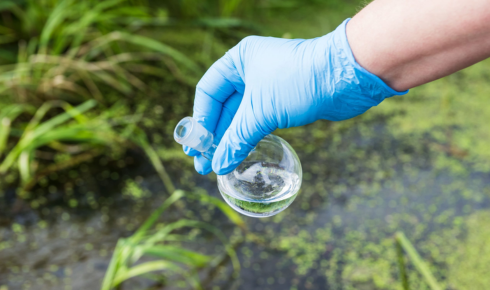
That’s why professional testing is often the most valuable first step. Testing provides actual data about your water instead of relying on assumptions. It helps identify specific characteristics and potential issues so homeowners can make informed decisions.
Without testing, choosing a treatment solution can feel a bit like buying prescription glasses without an eye exam. You might get lucky, but there’s a good chance the result won’t be exactly what you need.
Better Water Can Improve Everyday Comfort
One of the most surprising aspects of improving water quality is that the benefits often appear gradually.
You notice cleaner dishes. Softer laundry. Better-tasting coffee. Less buildup on fixtures. Appliances seem to operate more efficiently.
None of these improvements are dramatic enough to stop conversations at a dinner party. Yet together, they create a noticeable difference in daily life.
That’s because comfort is usually built from small experiences repeated over time. A shower that feels more refreshing. A faucet that stays cleaner longer. A glass of water that tastes exactly the way it should.
These moments add up.
And once people experience them, they often wonder why they waited so long to address their water quality concerns.
Looking Ahead With Confidence
Water is one of the few things every household depends on every single day. It supports countless routines, often without receiving much attention.
Yet the quality of that water can influence everything from convenience and maintenance costs to comfort and peace of mind.
The good news is that understanding your water doesn’t have to be complicated. It begins with curiosity, a willingness to ask questions, and a desire to learn more about what’s flowing through your home.
The goal isn’t perfection. It’s confidence.
Final Thoughts
Many homeowners spend years adapting to water-related frustrations without realizing that solutions may be available. Because water is such a constant part of daily life, it’s easy to overlook its impact until something becomes impossible to ignore.
Taking the time to understand your water can lead to smarter decisions, improved comfort, and fewer surprises down the road. Whether your focus is better tasting water, protecting appliances, or creating a healthier home environment, knowledge is always a worthwhile investment.
At the end of the day, water should work for you—not create extra work. And understanding it is often the first step toward making everyday life just a little bit better.