If you own a vehicle in India, chances are you’ve already heard about High Security Registration Plates, commonly called HSRP. What started as a government initiative has now become a mandatory requirement for most vehicles on Indian roads. Yet, for many people, the process still feels confusing—websites, appointments, payments, and rules that seem to change every few months. This article breaks it all down in plain language so you know exactly what to expect and how to move forward with confidence.
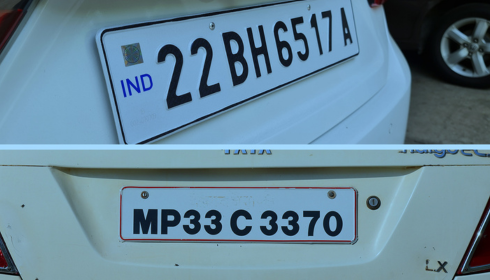
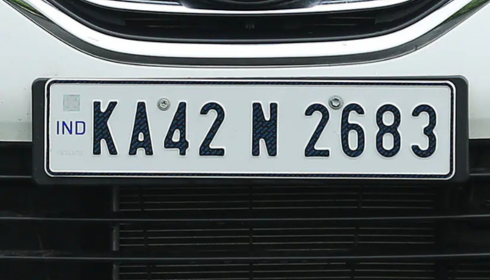
High Security Registration Plates were introduced to create a standard, tamper-proof system for vehicle identification. Unlike old-style number plates, HSRPs come with a chromium-based hologram, laser-etched codes, and a snap-lock mechanism that prevents reuse. These features help reduce vehicle theft, cloning, and misuse, while also making enforcement easier for authorities.
Why HSRP Has Become Mandatory
Over the years, many states noticed that traditional number plates were easy to duplicate or modify. This made it difficult to track stolen vehicles or identify cars involved in illegal activities. HSRP solved this problem by linking each plate to a specific vehicle and its chassis number. Today, most state transport departments require all vehicles—old and new—to switch to HSRP, regardless of purchase date.
Failing to comply can lead to fines, challans, or even problems during insurance claims and resale. That’s why vehicle owners are increasingly searching for platforms like book my hsrp com to complete the process quickly and legally.
How the Booking Process Works
Booking an HSRP is not as complicated as it sounds. You typically start by selecting your state and vehicle type (two-wheeler or four-wheeler). Next, you enter basic details such as your vehicle registration number, chassis number, and engine number. Once verified, you choose an installation location—usually an authorised dealer or RTO-approved fitment centre.
Payment is made online, and after confirmation, you receive an appointment date. On the scheduled day, you visit the centre where trained staff installs the plates securely on your vehicle. The whole fitment process usually takes less than 15 minutes.
Documents You’ll Need
To avoid last-minute issues, keep these ready:
- Vehicle Registration Certificate (RC)
- Chassis and engine number (as per RC)
- A valid ID proof (sometimes optional)
- Booking confirmation or receipt
Most centres are strict about matching details, so double-check everything before submission.
Understanding High Security Number Plates
Many people search for book my high security no plate because they want clarity on what makes these plates different. Beyond the visible hologram, each HSRP carries a unique laser code that links directly to the vehicle’s database record. This means the plate cannot be transferred to another vehicle without detection.
Another advantage is durability. HSRP plates are designed to last longer, resist fading, and remain readable even in harsh weather conditions. This is especially useful in India’s varied climate.
Common Mistakes to Avoid
One common error is entering incorrect vehicle details during booking. Even a small mismatch can result in cancellation or delays. Another mistake is missing the appointment date, which may require rescheduling and additional waiting time. Also, avoid unauthorised vendors offering cheaper plates—non-approved plates can lead to penalties.
Final Thoughts
Getting an HSRP is no longer optional—it’s a necessary step for every responsible vehicle owner. While the online process may seem technical at first, it’s actually designed to be user-friendly and efficient. By booking through authorised platforms, keeping your documents ready, and following the correct steps, you can complete the process smoothly.