Most of us don’t question our water until it starts questioning us back.
You step out of the shower and your skin feels tight. You wipe down the sink and notice that faint white haze creeping back. Your dishwasher finishes a cycle, and the glasses still look a little cloudy. None of it is dramatic. But it’s persistent.
That quiet persistence is often the result of two naturally occurring minerals: calcium and magnesium.
They’re not villains. In fact, they’re part of what makes groundwater what it is. But inside a modern home filled with plumbing, appliances, and daily routines built around soap and heat, those minerals start to make their presence known.
What Hard Water Actually Means
Hard water is simply water with elevated mineral content. As groundwater moves through rock and soil, it dissolves minerals along the way. By the time it reaches your tap, it carries traces of what it’s traveled through.
In some regions, hardness is mild and barely noticeable. In others, it’s strong enough to leave scale on faucets within weeks.
The effect isn’t harmful to drink, but it changes how water behaves. Soap struggles to lather. Heating elements accumulate buildup. Surfaces collect residue.
It’s not about safety. It’s about interaction.
Water that contains higher levels of minerals interacts differently with your home — and over time, those interactions add up.
The Everyday Signs You Might Be Ignoring
Hard water has a way of blending into the background.
You might assume your shampoo just isn’t working as well as it should. Or that your detergent brand needs switching. Maybe you think your dishwasher is simply aging.
But when mineral-rich water flows through every fixture and appliance, the signs become consistent.
You see scale around faucets. Showerheads clog slowly. Towels feel stiff. Skin feels slightly dry after bathing.
You adapt without realizing you’re adapting.
And that’s usually when homeowners start exploring options.
How Softening Changes the Experience
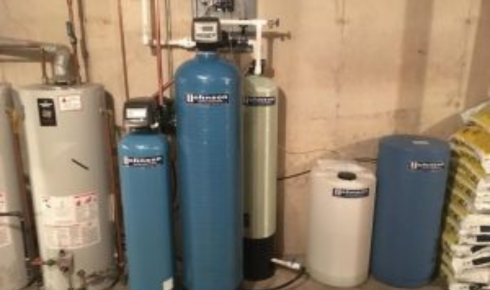
When a softening system is installed, the goal isn’t to purify water. It’s to adjust its mineral content so it works more smoothly with your home.
The result is softened water, and the change can be subtle but noticeable.
Soap lathers more easily. Showers feel smoother. Glassware dries clearer. Cleaning becomes less of a constant fight against white residue.
It’s not a dramatic transformation. It’s refinement.
And refinement, when experienced daily, feels significant.
Understanding Water Conditioning
There’s another term that often appears in conversations about hard water: water conditioning.
Conditioning refers broadly to methods used to alter how minerals behave in water. Traditional softeners use ion exchange to remove calcium and magnesium. Other conditioning systems may alter how minerals crystallize so they’re less likely to stick to surfaces.
The approach varies, but the goal is similar: reduce scale formation and improve how water interacts with plumbing and appliances.
Choosing between softening and conditioning often depends on hardness levels, personal preference, and regional water characteristics.
That’s why testing matters.
Why Testing Should Come First
Before investing in any system, it’s wise to test your water.
Hardness is measured in grains per gallon (GPG). Once you know your levels, decisions become clearer.
Mild hardness may require minimal intervention. Moderate to high levels often justify treatment.
Without testing, you’re guessing. With testing, you’re informed.
And informed decisions tend to deliver better outcomes.
The Long-Term Impact on Appliances
While skin comfort and easier cleaning are immediate perks, there’s a longer-term perspective to consider.
Scale buildup inside water heaters, dishwashers, and washing machines reduces efficiency. Heating elements coated in mineral layers must work harder. Pipes narrow slowly over time.
These changes aren’t sudden. They accumulate.
Addressing hardness early can reduce internal buildup and help appliances operate more consistently.
It’s preventive care, quietly protecting your home’s infrastructure.
Maintenance and Realistic Expectations
No water system runs on autopilot forever.
Softeners require salt refills. Conditioning systems may require occasional servicing. Maintenance schedules are predictable but important.
It’s also essential to remember that softening addresses mineral content specifically. If chlorine taste or sediment is a concern, additional filtration may be necessary.
Understanding each system’s purpose keeps expectations realistic.
The Comfort Factor
Beyond the technical details, there’s a human element.
Water touches your skin, your clothes, your dishes, your appliances — every single day.
When it behaves more gently, daily routines feel easier.
You spend less time scrubbing. Less time troubleshooting. Less time wondering why something feels slightly off.
It’s not a flashy upgrade. No one compliments your water softener at a dinner party.
But you notice it.
And that quiet improvement becomes part of how your home feels.
Final Thoughts
Hard water isn’t an emergency. It’s an influence.
The presence of calcium and magnesium in your water shapes how it interacts with your home. Over time, that interaction creates friction — visible, mechanical, and sometimes personal.
Understanding your water, testing its hardness, and choosing the right conditioning approach allows you to reduce that friction.