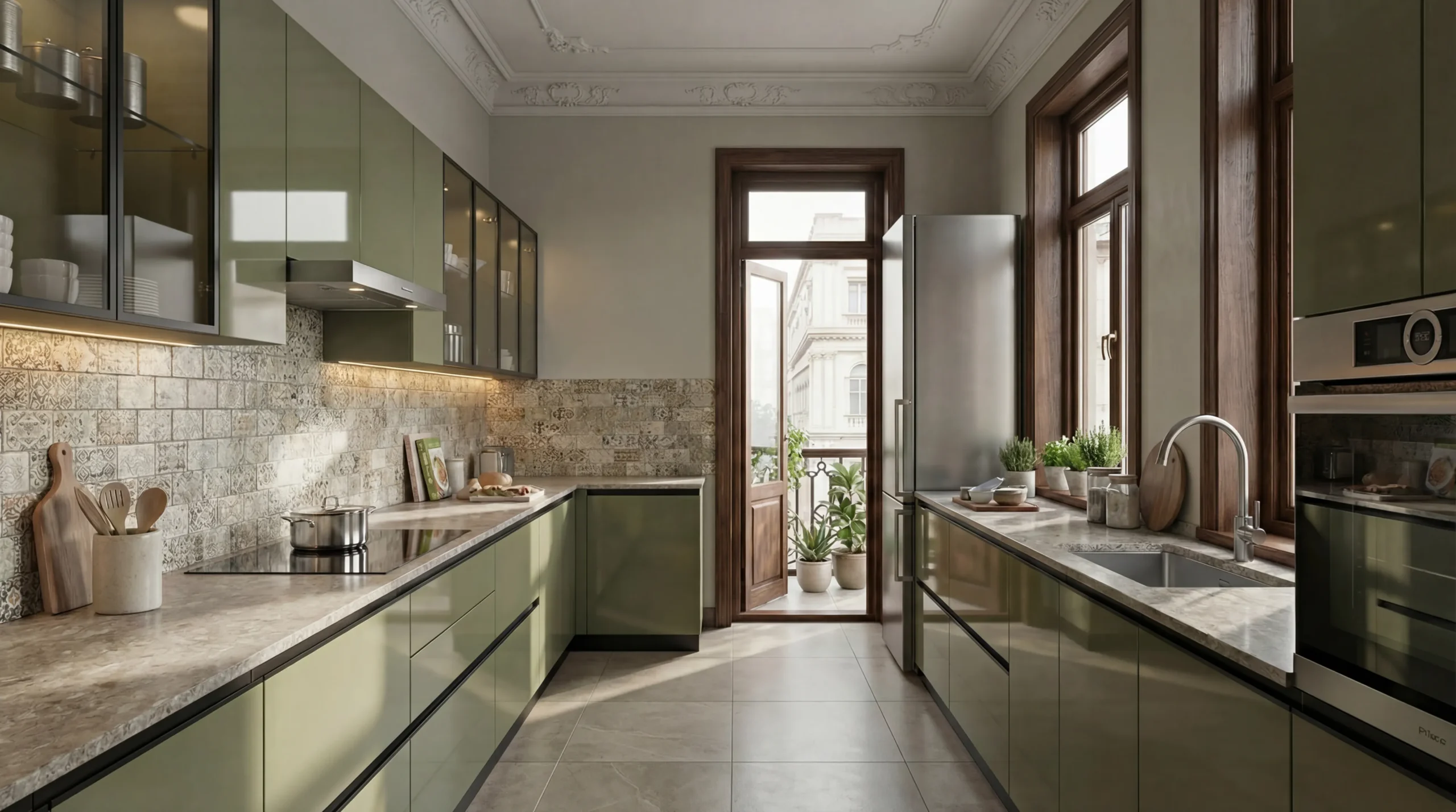
A kitchen doesn’t have to be huge, expensive, or packed with fancy gadgets to feel good. In fact, some of the nicest kitchens are surprisingly simple. They’re easy to move around in, reasonably tidy, and set up in a way that makes everyday tasks feel less annoying.
Think about a normal morning. You’re making coffee, someone else is looking for a clean mug, breakfast is happening, and you’re trying not to leave the toast in too long. A well-planned kitchen quietly handles all of that. A poorly arranged one makes even small jobs feel like a chore.
Good kitchen design is really about understanding how people live, then making practical choices around those habits.
Start With How You Actually Use the Space
Before choosing cabinets, countertops, or appliances, spend some time watching how you use your kitchen. Where do you naturally stand when preparing food? Which drawers do you open most often? Do you cook from scratch regularly, or is your kitchen mainly used for quick meals?
These details matter more than trends.
Someone who cooks every evening may want generous preparation space near the stove and refrigerator. Someone who mostly prepares simple meals might care more about an open breakfast area or easy access to appliances.
There’s no universal “perfect kitchen.” The best design is one that supports your routine without making you think about it too much.
Pay Attention to the Layout
The arrangement of the main work areas can make a surprisingly big difference. You’ll generally want the refrigerator, sink, and cooking area positioned so you can move between them without constantly crossing the room.
This doesn’t mean every kitchen needs to follow a strict design rule. Real homes aren’t showroom diagrams. Walls, windows, doors, plumbing, and family habits all get involved.
Still, reducing unnecessary walking is helpful. If you have to cross the entire kitchen every time you need a utensil, you’ll notice it eventually.
Good placement creates consistent clarity in the space, so you can understand where things belong almost instinctively.
Choose Storage That Matches Your Habits
Storage isn’t just about having more cabinets. It’s about making the things you use most easy to reach.
Keep everyday plates and glasses somewhere accessible. Store pots and pans near the cooking area if possible. Drawers can be particularly useful for utensils because you can see more of their contents without digging through a deep cabinet.
And don’t forget the awkward corners. Corner cabinets often become the place where forgotten appliances go to retire. Clever shelving, pull-out organizers, or rotating storage can make those areas much more useful.
Open shelving can look beautiful too, but be realistic. If you dislike dusting, displaying every plate and glass may not be your idea of fun.
Make the Countertop Work for You
Counter space disappears quickly. One coffee machine, a toaster, a blender, and a few containers can make an otherwise spacious counter feel crowded.
Try to preserve a clear preparation area, ideally close to the sink and cooking zone. If you regularly bake, for example, you’ll appreciate having enough uninterrupted surface for rolling dough, arranging ingredients, or cooling trays.
Material matters as well. Different countertops have different levels of durability, maintenance, heat resistance, and stain resistance. Don’t choose purely on appearance. A beautiful surface that constantly worries you isn’t necessarily a great choice for a busy household.
Lighting Deserves More Attention
Kitchen lighting is often underestimated. A single ceiling fixture may technically illuminate the room, but it doesn’t necessarily make cooking comfortable.
Layered lighting tends to work better. General lighting keeps the room bright, while task lighting can illuminate countertops and cooking areas. Under-cabinet lights are especially useful because overhead lights can leave your own shadow directly over the work surface.
If your kitchen has windows, make the most of natural light where possible. Daylight changes the entire mood of a room and can make a compact kitchen feel considerably more open.
At night, warmer and softer lighting can make the kitchen feel less like a workplace and more like part of the home.
Pick Finishes You Can Live With
It’s easy to fall in love with a particular color or material after seeing it in a beautifully staged photograph. Living with it is another matter.
Dark glossy cabinets may show fingerprints. Highly textured surfaces can collect dust. Very light countertops may require more attention depending on the material and what you cook.
Ask yourself a simple question: will I still like this after six months of ordinary life?
Choosing finishes that fits your kitchen and your lifestyle is usually wiser than chasing whatever happens to be popular this year.
That doesn’t mean your kitchen needs to be boring. You can still introduce personality through hardware, lighting, artwork, textiles, plants, or a statement backsplash.
Don’t Forget the Small Details
The little things often determine whether a kitchen feels comfortable.
Cabinet handles should be easy to grip. Drawer sizes should make sense for what you’re storing. Switches should be reachable. Frequently used appliances shouldn’t require an elaborate setup every time you need them.
Even the position of a waste bin matters. Put it somewhere convenient for food preparation, but not where it blocks a cabinet or becomes the first thing you see when entering the room.
These details don’t usually appear in glossy kitchen photographs, but they’re the things you’ll appreciate at 7 p.m. when you’re cooking dinner after a long day.
Think About Cleaning Before You Buy
A kitchen naturally gets messy. Oil splashes, crumbs appear, spills happen, and somebody eventually forgets to wipe the counter.
That’s why cleaning should be part of the design decision from the beginning.
Choose surfaces that suit the amount of cleaning you’re realistically willing to do. Smooth, accessible areas are generally easier to wipe down. Avoid creating unnecessary ledges and difficult-to-reach gaps if you’re already short on time.
The best kitchen isn’t one that never gets dirty. That’s not realistic. It’s one that can be cleaned quickly when it does.
Plan for Everyday Maintenance
Every kitchen needs some care. Cabinet hinges may need adjustment, appliances require cleaning, drains occasionally need attention, and surfaces naturally show signs of use.
A little simple upkeep can prevent small problems from turning into expensive repairs. Check seals, clean ventilation filters, inspect plumbing connections, and deal with minor issues before they become major ones.
This is particularly important with appliances. Following the manufacturer’s basic maintenance recommendations can help preserve performance and extend useful life.
Leave Room for Real Life
One mistake people make when planning kitchens is designing entirely around how the room looks when nobody is using it.
Real kitchens aren’t static. Grocery bags arrive. Children leave things on counters. Friends gather around the island. Someone cooks while another person washes dishes. There are busy mornings and lazy Sunday afternoons.
A good kitchen leaves room for those moments.
You don’t need to create a magazine-perfect space. You need a room where people can cook, talk, eat, clean, and occasionally make a complete mess without everything falling apart.
The Best Kitchen Is the One That Feels Natural
Creating a better kitchen isn’t necessarily about spending more money. It’s about making thoughtful choices.
Consider how you move through the room. Prioritize useful storage, practical lighting, durable surfaces, and sensible appliance placement. Think about cleaning before choosing materials, and don’t underestimate the importance of small details.
Most importantly, design for the life you actually live.
A kitchen should make everyday routines easier, not give you another set of rules to follow. When storage is intuitive, surfaces are practical, and the layout feels comfortable, you stop noticing the design—and that’s often the sign that it was done well.
The goal isn’t perfection. It’s a kitchen that works quietly in the background, day after day, while you get on with the much more important business of living in it.