There’s something deceptively simple about turning on the kitchen tap and filling a glass of water. It’s routine. Automatic. We don’t pause to consider where that water has traveled or what it might have picked up along the way. We trust it — mostly because we’ve always trusted it.
But over the last few years, more homeowners have started asking questions. Not in a panicked, late-night internet spiral kind of way. Just thoughtful questions. What’s actually in my water? Does it taste the way it should? Is there a better option?
For many, that curiosity leads to one word: filtration.
When “Safe” Isn’t the Same as “Ideal”
Municipal water systems in most developed areas meet regulatory safety standards. That’s reassuring. But “meeting standards” doesn’t necessarily mean optimal quality. Water can still contain trace levels of chlorine, dissolved solids, sediment, or even residual metals from aging pipes.
Sometimes the first clue is taste. Coffee tastes slightly bitter. Ice cubes seem to cloud up. Or there’s a faint odor you can’t quite place. It’s not alarming — just… noticeable.
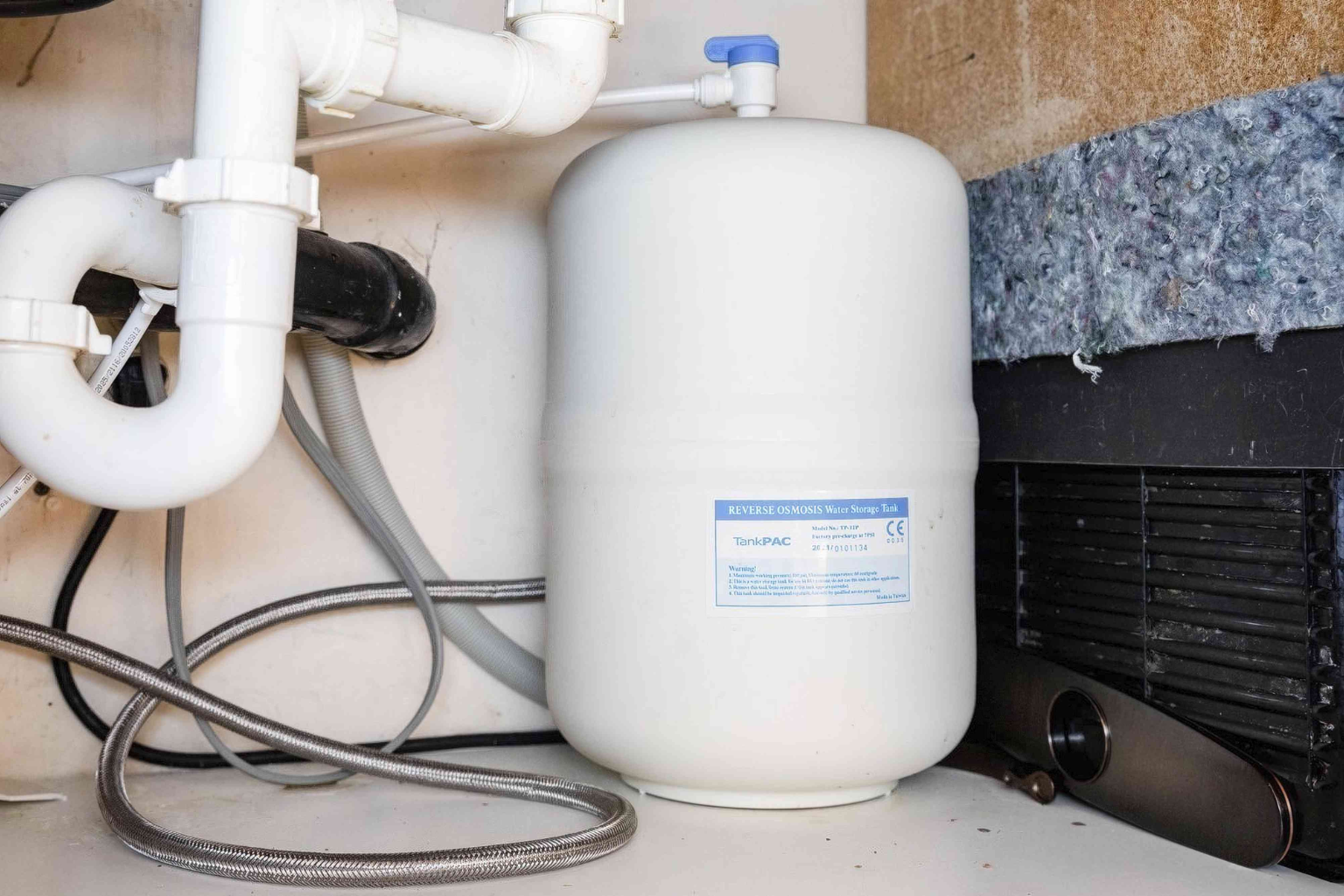
This is where people start exploring reverse osmosis systems. These systems work by forcing water through a semi-permeable membrane that filters out many dissolved impurities at a molecular level. It’s a more advanced approach compared to basic carbon filters.
What’s fascinating is how dramatic the difference can be. The water tastes cleaner. Lighter. More neutral. Even simple things like tea or soup feel subtly improved because the base ingredient — water — is purer.
It’s not magic. It’s physics and filtration.
Understanding What’s Being Removed
One of the biggest reasons homeowners invest in advanced filtration is contaminant reduction. Reverse osmosis membranes are designed to remove a wide range of substances, including lead, nitrates, fluoride, and certain bacteria.
That doesn’t mean your tap water is unsafe. It simply means you’re adding an extra layer of refinement.
Think of it like polishing glass. The original surface may be fine, but after polishing, it’s clearer. More transparent. That’s what advanced filtration does — it reduces what you don’t necessarily want, even if it’s within “acceptable” limits.
There’s also the peace-of-mind factor. For households with children, elderly family members, or anyone with compromised immunity, that additional filtration step feels worthwhile.
It’s not about fear. It’s about control.
The Taste Test That Changes Everything
If you’ve ever compared filtered water to straight tap water side by side, the difference can be surprising. Many people describe filtered water as smoother or fresher. It lacks the chemical edge chlorine sometimes leaves behind.
That’s why restaurants and cafés often invest in filtration systems. Consistency matters. The same logic applies at home.
Having access to purified drinking water straight from your kitchen sink eliminates the need for bottled alternatives. You’re not hauling plastic cases from the grocery store. You’re not worrying about microplastics or storage space.
It’s simpler. Cleaner. More sustainable.
And over time, it saves money.
But Is Reverse Osmosis Right for Everyone?
Here’s where it gets nuanced.
Reverse osmosis systems are incredibly effective, but they’re not always necessary in every home. Some regions already have relatively soft, clean municipal water that may only require basic carbon filtration.
There’s also the water waste factor to consider. Traditional RO systems can discharge some water during the filtration process. Modern designs have improved efficiency significantly, but it’s still something environmentally conscious homeowners think about.
The best starting point? A water test. Understanding your local water chemistry helps determine whether reverse osmosis is the right fit or if a simpler system would suffice.
Because more filtration isn’t always better — it’s about appropriate filtration.
Installation and Maintenance Realities
One common misconception is that advanced water filtration systems are complicated or high-maintenance. In reality, most under-sink reverse osmosis units are fairly compact and user-friendly.
Filters typically need replacement once or twice a year, depending on usage and water quality. The membrane itself lasts longer, often two to three years. It’s not daily upkeep — more like a scheduled check-in.
Professional installation ensures the system integrates properly with your plumbing. After that, it runs quietly in the background.
You don’t think about it. You just turn on the tap.
Beyond Health: The Everyday Comfort Factor
Clean water affects more than drinking. It changes how food tastes. How ice looks. Even how you feel offering a glass to a guest.
There’s a subtle confidence in knowing the water you’re serving is filtered to a high standard. No metallic aftertaste. No lingering chlorine scent.
It’s the kind of upgrade that doesn’t show off — but it improves daily life in small, steady ways.
We spend money on coffee machines, specialty beans, and premium cookware. Yet water, the base ingredient in so many recipes and drinks, often gets overlooked.
Once you improve it, you realize how foundational it really is.
A Thoughtful Investment in Something Essential
At the end of the day, water is basic. It’s elemental. We can’t live without it, and we use it dozens of times a day without thinking twice.
Investing in better filtration isn’t about chasing trends or reacting to headlines. It’s about refining something essential. It’s about creating a home environment where the fundamentals — air, light, water — feel right.
If you’ve ever hesitated before taking a sip from the tap, or wondered if bottled water is your only reliable option, it might be worth exploring your choices.
Because sometimes the most meaningful improvements aren’t flashy renovations or high-tech gadgets. They’re the quiet systems working beneath your sink, ensuring that what fills your glass is exactly what it should be — clean, simple, and refreshingly pure.