
You’ve seen them—brightly wrapped vans zooming by, delivery trucks decked out in bold logos, or trailers transformed into mobile billboards. They catch your eye. They stay in your mind. And at some point, if you run a business or have a vehicle worth customizing, the thought hits: “Should I do this too?”
Then comes the next inevitable question: “But how much does it actually cost?”
And here’s where it gets a little tricky. Because the pricing for vehicle wraps isn’t like ordering a t-shirt online or grabbing a meal off the value menu. It’s layered, it’s flexible, and it reflects a lot more than just square footage.
This isn’t about slapping a sticker on a truck. It’s craftsmanship. It’s branding. It’s part design studio, part logistics, and a little bit of alchemy. Let’s peel back the layers—pun intended—and talk about what really goes into the cost of wrapping a vehicle, whether it’s your personal ride or a full-blown business fleet.
Size Isn’t Everything—But It Does Matter
One of the first things any wrap shop will ask is: what are we wrapping? A two-door coupe is a different beast from a 26-foot trailer. More surface area equals more material. More curves or rivets? More installation time.
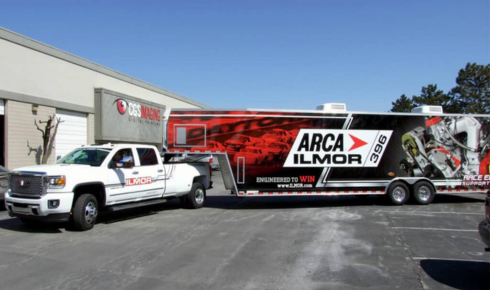
Let’s take trailer wrap cost as an example. Wrapping a trailer might run anywhere from $1,800 to over $7,000 depending on size, complexity, and whether it’s a full or partial wrap. A full wrap covers every inch, usually requiring more intricate work—think around doors, seams, and hardware. A partial wrap might just hit the sides, saving on material and install time, but still making a visual impact.
And that’s before you consider how worn the surface is. Prep time matters. The cleaner and smoother the trailer, the easier the job and the lower the labor cost. If it’s scratched, dented, or dirty, there’s more to fix before vinyl can even touch the surface.
Material Makes the Difference
All vinyl is not created equal. Some are basic calendared films designed for short-term use. Others are premium cast vinyl designed to hug every curve and last for years without fading or bubbling.
Naturally, the better the vinyl, the more it costs. But it also lasts longer and looks sharper. You’re not just paying for a product—you’re investing in longevity and presentation. Think of it like choosing between fast fashion and a tailored jacket. One looks okay out of the box. The other keeps looking good long after the first wash.
This plays into fleet graphics pricing as well. A national brand with a hundred vehicles needs consistency. That means reliable material, color accuracy, and durability. The costs add up—but so does the value. When your fleet becomes a moving, matching billboard from coast to coast, it’s not an expense. It’s strategy.
Design Isn’t Just a Pretty Picture
Now let’s talk about the creative part—the graphics themselves. Some wraps are simple: solid colors, maybe a logo and contact info. Others are full-on rolling murals with gradients, imagery, text, and brand messaging all playing together. The complexity of the design impacts the time it takes to prep files, print, and install. Not to mention the brainpower behind it.
Designers don’t just throw images on a template. They have to think in 3D—how the design will flow around curves, seams, and door handles. What looks good on a screen might look chaotic once wrapped around a fender.
Good design is invisible in the best way. It feels natural, like the vehicle was always meant to look that way. And that, friends, is worth something.
Labor: Where Skill Meets Precision
Here’s something most people overlook—vinyl wraps are only as good as the installer behind them. A great installer can stretch and align vinyl perfectly, ensuring no air bubbles, wrinkles, or misaligned graphics. A rushed or inexperienced install? You’ll spot the flaws instantly.
That’s why part of the pricing for vehicle wraps goes toward skilled labor. You’re paying for precision, for someone who understands how vinyl behaves, and how to get it to perform its best. These folks are part technician, part artist—and they’ve got the certifications and experience to prove it.
And depending on your project’s location, install costs can vary. Labor rates aren’t the same in New York as they are in rural Iowa. Some wraps might take a day, others three. It all goes into the final quote.
It’s Not Just a Wrap—It’s Marketing on Wheels
Let’s zoom out for a second. Yes, you’re paying for material, design, and labor. But what you’re really paying for is visibility. A well-wrapped vehicle gets seen by thousands of people every day—more if it’s in high-traffic areas or parked in visible spots.
Unlike online ads that vanish the moment you stop paying, a vehicle wrap keeps working. Day after day. Year after year. And when you start seeing customer calls come in from “I saw your van outside the coffee shop”—well, now you understand the return on investment.
In the case of businesses managing multiple units, fleet graphics pricing becomes a vital part of their branding budget, not just a design decision. The investment fuels recognition and trust, two pillars of customer acquisition.
Final Thoughts: Ask Questions, Get Clear, Invest Wisely
There’s no shame in shopping around or requesting quotes. But don’t be lured in by the cheapest number you see. Ask what’s included. Ask about the material. Ask if there’s warranty coverage, or if the installers are certified. If you’re quoted low, find out why. If you’re quoted high, find out what’s being delivered.