There’s a particular kind of silence that settles into a house when the heating system stops working. It’s not dramatic. There’s no explosion, no flashing red lights. Just a quiet chill that creeps into the air, and suddenly you notice how much you depended on that steady hum in the background. Funny how we only appreciate warmth when it’s gone.
If you’ve ever woken up to cold floors in the middle of winter, you know the feeling. You shuffle to the thermostat, press a few buttons, maybe mutter something under your breath. And then you realize — this isn’t a quick fix. It’s time to look a little deeper.
Understanding What Actually Broke
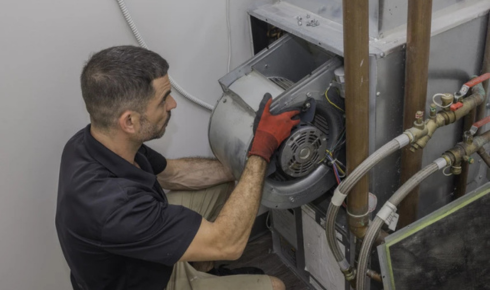
Heating systems are surprisingly complex. Whether you have a furnace, heat pump, or central heating unit, there are multiple components working together behind the scenes. One of the most overlooked — yet critical — parts is the blower motor. It’s the piece responsible for pushing warm air through your ducts and into your living spaces.
When it fails, you might still hear the system trying to run, but no warm air comes through the vents. Or maybe there’s a strange rattling noise. In some cases, there’s nothing at all.
That’s when professional blower repair becomes essential. It’s not just about restoring airflow — it’s about preventing further damage. A faulty blower can strain other parts of the system, driving up energy costs and shortening the life of your unit. And let’s be honest, replacing an entire furnace is not how anyone wants to spend their savings.
The Warning Signs Most People Ignore
Here’s the thing: heating systems rarely fail without warning. We just tend to miss the clues.
Maybe your energy bill crept up over the last few months. Maybe some rooms feel colder than others. Maybe the system cycles on and off more frequently than it used to. These small inconsistencies often signal underlying issues.
A weak blower motor, clogged filters, or worn-out belts can slowly reduce efficiency. Over time, the system works harder to produce the same level of warmth. That extra strain? It adds up.
Catching these signs early can save you money and stress. It’s not about being overly cautious. It’s about paying attention.
Why Professional Diagnosis Matters
There’s always that temptation to search for a quick DIY solution. And sure, replacing an air filter is straightforward. But when it comes to the deeper mechanics of your heating system, guessing can do more harm than good.
Professional technicians don’t just fix the obvious problem. They assess the entire system — electrical connections, airflow, thermostat calibration, internal components. Sometimes what seems like a blower issue turns out to be a wiring fault or control board malfunction.
Reliable repair services bring experience to the table. They know the difference between a temporary patch and a long-term solution. More importantly, they understand safety. Heating systems involve electricity, gas lines, and combustion elements. That’s not something to experiment with after watching a five-minute tutorial.
The Cost Conversation Nobody Likes to Have
Let’s talk about money. It’s often the reason people delay repairs.
Yes, professional work costs more upfront than ignoring the issue. But postponing repairs almost always leads to bigger expenses later. A minor component replacement today can prevent a major system failure tomorrow.
On average, blower motor repairs are significantly less expensive than full furnace replacements. Regular maintenance visits are cheaper than emergency calls in the middle of a freezing night. It’s not about spending more — it’s about spending smarter.
And here’s something people don’t always consider: inefficient heating systems consume more energy. That means higher monthly utility bills. Over time, that silent inefficiency costs far more than a single service appointment.
What Quality Heating Work Really Looks Like
Good technicians don’t rush. They ask questions. They explain what they’re doing. They show you worn parts and describe why replacement is necessary. That transparency matters.
Quality heating work isn’t just about fixing what’s broken. It’s about restoring reliability. When done correctly, your system should run smoothly, quietly, and consistently. No odd smells. No strange noises. No sudden cold drafts at 2 a.m.
The best professionals also recommend preventive maintenance. Not because they’re trying to upsell you — but because regular tune-ups extend the life of your system. Cleaning components, lubricating moving parts, checking airflow — these small steps make a measurable difference.
The Emotional Side of Home Comfort
It might sound dramatic, but heating isn’t just mechanical. It’s emotional.
Your home is where your kids play on the living room floor. It’s where you curl up with a blanket and a cup of tea. It’s where family gathers during the holidays. Warmth is part of that comfort.
When the heat goes out, it disrupts more than temperature. It disrupts routine. It disrupts peace of mind.
That’s why timely repairs matter. Not just for efficiency or cost savings — but for the simple reassurance that your home will stay comfortable, no matter how cold it gets outside.
Choosing the Right Service Provider
Not all technicians are equal. Look for licensed and insured professionals with strong local reviews. Ask about warranties on parts and labor. A reputable company won’t hesitate to answer your questions.
It’s also worth finding a provider before you urgently need one. Researching calmly is far easier than scrambling during an emergency.
And don’t underestimate communication. If a technician explains the issue clearly and respects your home while working, that’s a good sign. Professionalism isn’t just technical skill — it’s how they treat you.
Preventive Maintenance: The Quiet Hero
The simplest way to avoid major heating failures is regular maintenance. Annual inspections before winter hits can identify worn components early. Filters should be changed every one to three months, depending on usage and air quality.
It’s not glamorous advice. It won’t go viral. But it works.
Preventive care keeps your system efficient, lowers energy costs, and reduces the likelihood of mid-season breakdowns. Think of it like servicing your car. You wouldn’t drive 100,000 miles without an oil change. Your heating system deserves the same consideration.
Final Thoughts: Don’t Wait for the Silence
That quiet chill in the air is avoidable. Heating systems rarely collapse without warning. Most failures start small — a struggling blower motor, an aging belt, a neglected filter.
Addressing issues early saves money, protects your equipment, and preserves the comfort of your home. More importantly, it restores something we often take for granted: warmth.
And when the heat kicks back on, humming steadily through the vents, there’s a small, satisfying relief. The house feels alive again. Cozy. Safe.
Sometimes, comfort isn’t about adding something new. It’s about fixing what quietly keeps everything running in the background.