You expect your water to be clean, fresh, and forgettable—in the best way possible. It should rinse, refresh, and disappear from your mind. But lately, it hasn’t been doing that. Maybe your coffee tastes off. Maybe there’s a faint smell when you run the tap. Or maybe the shower leaves your skin itchy and dry. These aren’t just petty annoyances. They’re signals. Warnings, even.
Water isn’t just water. It’s a complex mix of minerals, chemicals, and, sometimes, contaminants. And when that balance shifts, your body—and your senses—notice. This article isn’t about scaring you. It’s about helping you see those signs for what they really are. Because when water gets weird, it’s your job to listen.
It’s Not Just “Bad Water”
Let’s start with something that’s easy to dismiss: taste and smell. If your water suddenly starts tasting metallic, sour, or earthy—or worse, smelling like rotten eggs—it’s not just your imagination. It’s chemistry.
Water quality issues vary based on geography, water source, and treatment methods. Municipal water might carry disinfectants like chlorine, while well water could be brimming with iron, sulfur, or even bacteria. And don’t even get me started on old plumbing—it can leach metals like lead or copper directly into your glass.
But here’s the kicker: not all contaminants are visible or easily detected. So if your gut says something’s not right, that’s reason enough to look deeper. A simple at-home test or lab screening can reveal things you won’t see with the naked eye.
The Nose Knows: Let’s Talk Smells
There’s nothing quite like the moment you lift a glass of water and your nose recoils. That swampy, sulfuric, or fishy scent? It’s hard to ignore—and you shouldn’t.
Water odor solutions depend on the cause. Hydrogen sulfide gas is a common offender in well systems and can smell like rotten eggs. Chlorine, as mentioned earlier, might remind you of a public pool. And biological growth in pipes or water heaters can emit a musty, mold-like scent.
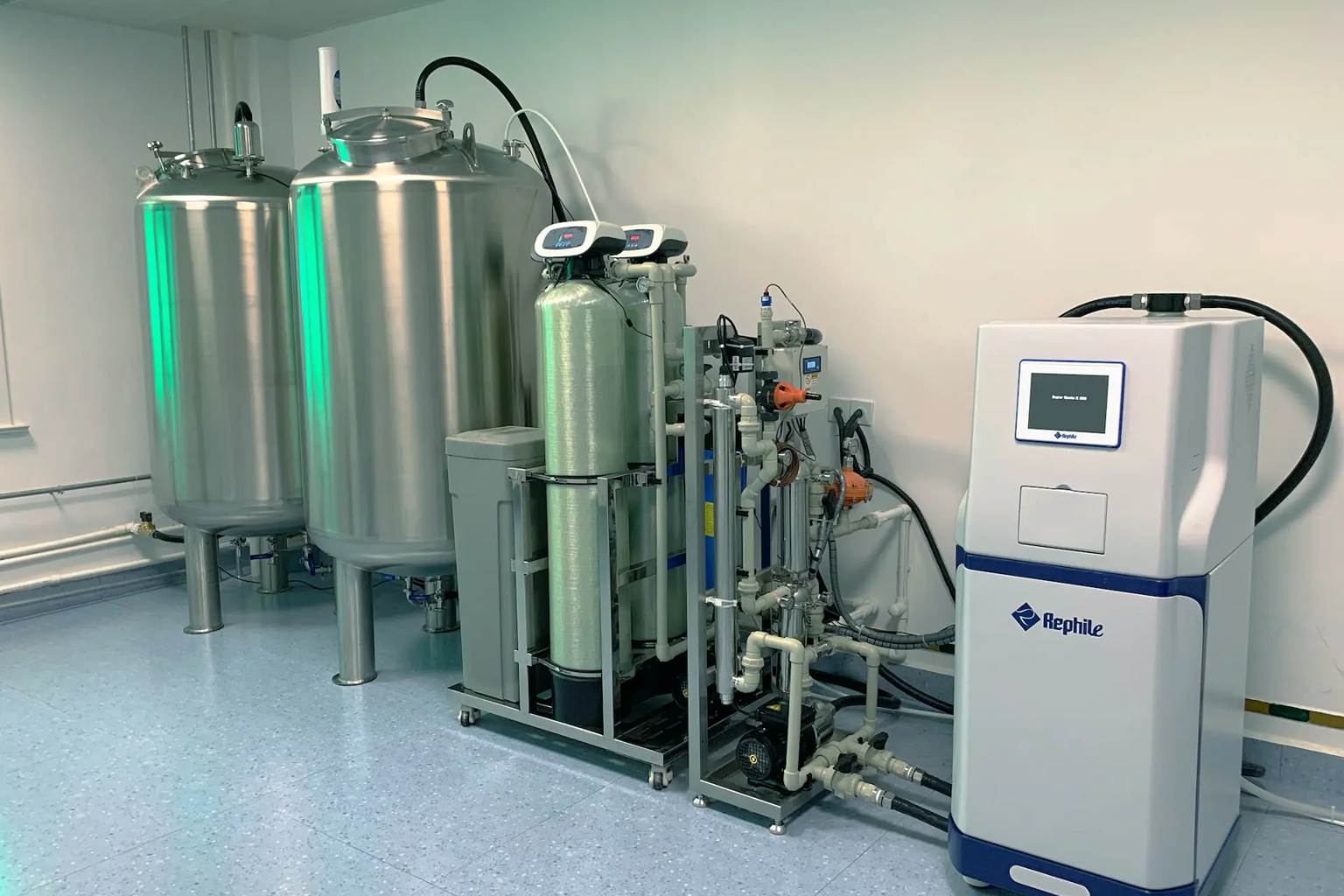
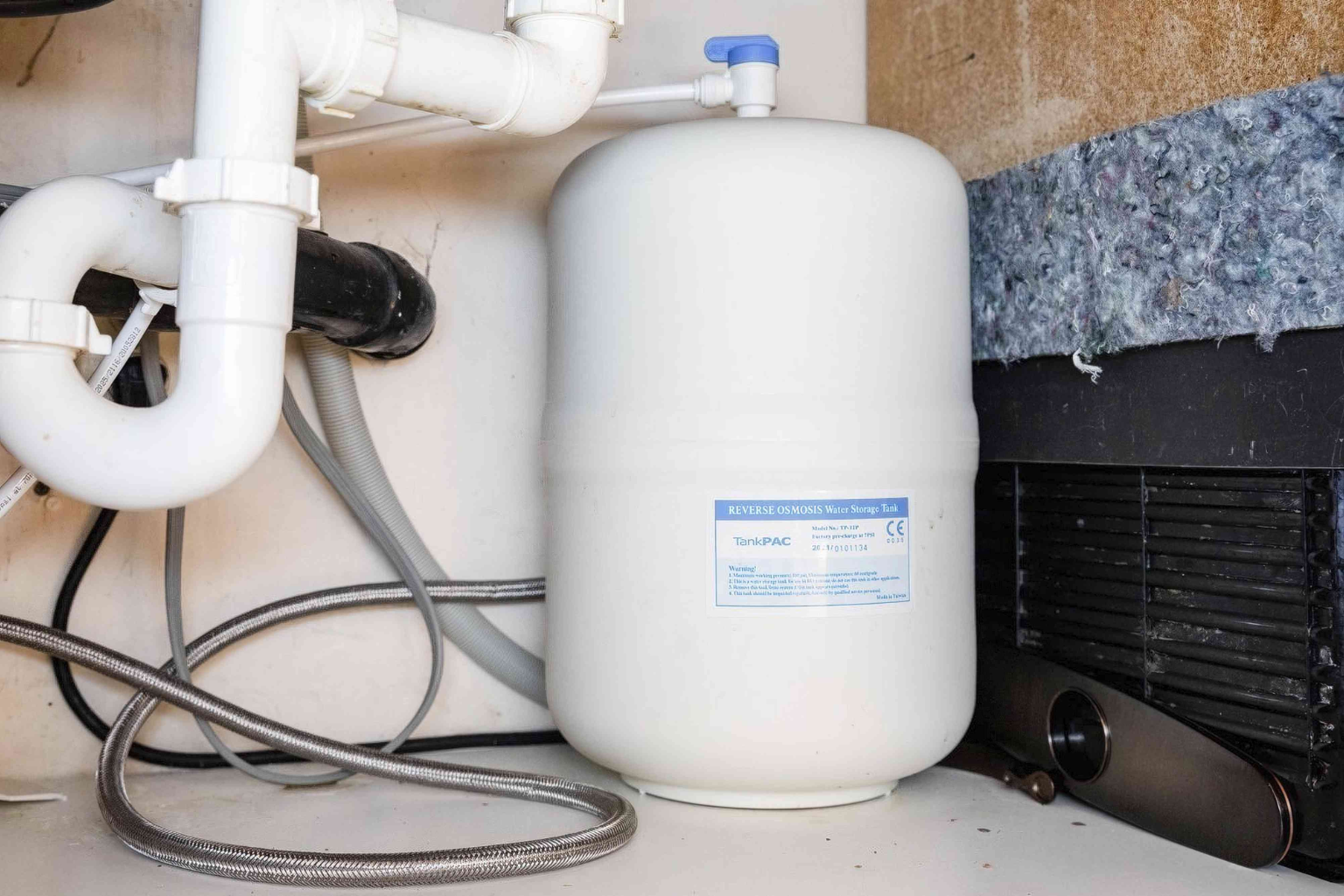
Most people resort to bottled water when this happens. But that’s a band-aid, not a fix. A good filtration system—like activated carbon filters, oxidizing filters, or aeration tanks—can target the root cause, not just the symptoms.
And trust me, once the smell is gone, you’ll feel like you’re drinking real water again.
The Middle Tennessee Experience
Let’s zoom in a bit. If you’re living in Tennessee—particularly Middle Tennessee—you already know the water has its quirks. This isn’t meant as a complaint, just an observation from thousands of locals who’ve noticed their tap water doesn’t always behave.
Middle Tennessee water issues often stem from naturally occurring minerals like calcium and magnesium (hello, hard water), as well as seasonal shifts that can affect reservoir quality. Rural areas relying on well water deal with a completely different set of problems: sediment, bacteria, even pesticides from nearby farms.
And while local water treatment facilities do a solid job overall, they can’t control everything that happens after the water leaves their care—like what it picks up from your home’s pipes or how your personal filtration system performs.
Why It’s More Than an Inconvenience
Some folks will tell you to “just deal with it.” That your water smells weird but it’s probably “fine.” And while it might not immediately harm you, the emotional wear-and-tear is real.
There’s something unsettling about not trusting your own tap. About hesitating before filling a glass. About holding your breath when you shower. And when water stops being a source of comfort, it starts becoming a source of stress.
That’s not just inconvenient—it’s exhausting.
What You Can Actually Do About It
You don’t need to overhaul your plumbing or install a $5,000 purification system to get started. Begin with the basics:
- Test Your Water: Use home testing kits for pH, chlorine, iron, and bacteria. For deeper insight, send samples to a certified lab.
- Know Your Source: If you’re on city water, look up the most recent municipal water quality report. If you’re on well water, test annually or after big storms.
- Match the Filter to the Problem: Brita filters won’t cut it for sulfur or heavy metals. Research systems that target your specific concern.
- Routine Maintenance: Flush your water heater yearly. Replace filters regularly. Clean faucet aerators. These tiny steps can make a big difference.
You Deserve Better Than “It’s Probably Fine”
This isn’t about overreacting. It’s about being aware. Your water’s quality impacts your health, comfort, and peace of mind. And just because it’s clear doesn’t mean it’s clean. Just because you can drink it doesn’t mean you should enjoy doing so with a pinched nose.
When you take the time to understand what’s coming through your pipes, you reclaim a bit of control. And honestly, that’s empowering.
So the next time you catch an odd smell, taste, or sensation, don’t brush it off. Pause. Investigate. Ask questions. Because fixing the issue could be simpler—and more affordable—than you think.
Final Sip
Water isn’t supposed to be exciting. It’s supposed to be invisible, tasteless, reliable. The moment it demands your attention—whether through strange smells, unexpected tastes, or odd textures—it’s probably time to act.
Whether you’re dealing with generalized water quality issues, searching for real water odor solutions, or navigating specific middle tennessee water issues, you’re not alone. And you’re not stuck. You’ve got options, and more importantly—you’ve got the right to clean, comfortable water.