If you’ve ever dealt with smelly, discolored, or metallic-tasting well water, you know the frustration runs deep—sometimes literally. For folks who rely on private wells, water quality isn’t just about taste and smell; it’s about health, safety, and home maintenance. Iron stains on sinks? Sulfur stink in your shower? These aren’t just minor annoyances—they’re signs that your water system might be crying for help.
And if you’re here, chances are you’ve already heard whispers about using hydrogen peroxide in your water treatment system. Sounds a bit intense, right? Using the same stuff from your medicine cabinet to fix your well water? Let’s unravel the mystery.
The Problem with Well Water: It’s Not Always “Well”
Private wells don’t benefit from the same kind of municipal water treatment city folks get. That means you’re on your own when it comes to filtering out iron, manganese, sulfur, and bacteria like iron bacteria or coliforms. For some households, this ends up as endless testing, harsh chemical treatments, or expensive filtration systems.
Now, imagine something that tackles multiple water issues in one fell swoop—without adding harsh chemicals into your drinking supply. Enter: the hydrogen peroxide well water system.
Hydrogen Peroxide: Not Just for Scrapes Anymore
Hydrogen peroxide (H₂O₂) isn’t just a foamy first-aid go-to. In water treatment, it’s an oxidizer—meaning it reacts with certain unwanted elements (like iron or sulfur) and transforms them into solids that can be filtered out. It’s powerful, effective, and, when used correctly, entirely safe.
So, what does a hydrogen peroxide well water system actually do? Think of it as your water’s personal detox coach. It injects a small, measured dose of hydrogen peroxide into your water line. That peroxide reacts with iron, manganese, and sulfur—oxidizing them so they can be filtered out. It also kills bacteria and helps eliminate those infamous “rotten egg” smells. And the best part? Hydrogen peroxide naturally breaks down into water and oxygen—so there’s no chemical residue left behind. It’s a clean clean.
Why Choose Peroxide Over Chlorine?
Chlorine has long been the gold standard for disinfecting water. But it’s not perfect. It can leave behind odors, tastes, and harmful byproducts like trihalomethanes (THMs). Hydrogen peroxide, on the other hand, doesn’t linger, doesn’t smell (ironically), and doesn’t produce toxic leftovers.
For homeowners who’ve tried chlorine treatments and ended up with bleachy-tasting water and still had problems? Hydrogen peroxide can feel like discovering a secret hack.
Getting Practical: What You’ll Actually Need
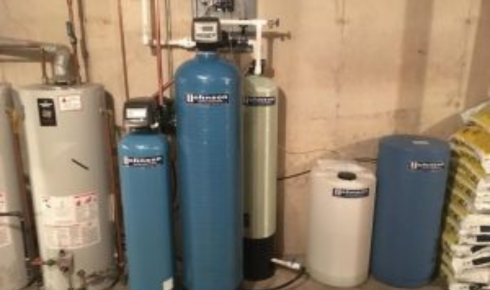
Here’s where the rubber meets the road. A peroxide-based water treatment system usually includes:
- A peroxide injection pump (often a metering pump)
- A solution tank to store your peroxide mix
- Contact tank (optional but helpful) to give the peroxide time to work
- Filtration system (typically a backwashing filter with media like catalytic carbon)
You’ll also need—you guessed it—peroxide. It usually comes in food-grade concentrations like 7% or 35%. The more concentrated stuff is more economical, but it must be diluted properly for safety and accuracy.
And when you’re buying in bulk, make sure you’re storing it properly. A gallon peroxide container will go a long way in your system, but it should be kept in a cool, dark place and away from kids and pets.
Real-Life Benefits You’ll Notice
Now let’s talk about what you’ll actually experience when your peroxide system is humming along.
1. Smell-Free Showers: That infamous sulfur (rotten egg) odor vanishes like magic.
2. Stain-Free Sinks and Toilets: No more orange or brown iron stains to scrub every weekend.
3. Taste You Can Trust: Water tastes fresher—cleaner. Not metallic, not earthy, not like pond water.
4. Less Maintenance: Iron bacteria and slime in pipes or appliances? Reduced. This means fewer clogs, longer-lasting pumps, and fewer headaches.
5. Peace of Mind: Especially if you’ve got kids, knowing that your water is disinfected and safe without harsh chemicals is a huge mental boost.
Common Questions (That Deserve Honest Answers)
Will I need to test the water regularly?
Yes, especially at the beginning. You’ll want to test for residual peroxide, iron levels, and general pH balance to make sure the system is dialed in.
Is it safe to drink water treated this way?
Absolutely—when the system is calibrated properly. Hydrogen peroxide breaks down quickly and doesn’t stick around in the water. What’s left is just clean, oxidized water.
What if I have a high flow rate?
That just means you’ll need a system with a faster injection pump or a larger contact tank. Your installer or supplier should be able to help you size the system appropriately.
But Wait—Is It DIY-Friendly?
Yes and no. If you’re handy and have some plumbing experience, you can absolutely set up a peroxide injection system with the right tools and guidance. There are plenty of kits online, complete with instructions.
But if water quality is a serious concern (or if your well has multiple contaminants), it’s wise to work with a pro. They’ll test your water, recommend the right dosage, and set up a safe, effective system tailored to your needs.
And remember—handling peroxide, especially in high concentrations, requires caution. Always wear gloves, goggles, and follow dilution guidelines.
Final Thoughts: Smart Water, Smarter Living
Clean water shouldn’t be a luxury. It should be the bare minimum. And for too many people with private wells, it’s been anything but.
The good news? The tide is turning. More homeowners are waking up to smarter, safer, and more sustainable solutions. With a well-tuned water treatment hydrogen peroxide system, you can take control of your water quality—and stop worrying about what’s coming out of your tap.
So the next time your faucet lets out a metallic sigh or your shower smells like a science experiment gone wrong, remember—there’s a better way. And it starts with a little bottle of bubbles that does a whole lot more than clean cuts.