
There’s nothing worse than paying top dollar for a heating and cooling system only to feel… underwhelmed. Maybe one room is always hotter than the others. Maybe your energy bills are creeping up. Or maybe your system seems to be working overtime just to keep up. You’re not alone. Most homeowners don’t realize how much small inefficiencies can snowball into big issues — not just with comfort, but with cost and lifespan too.
Let’s get into the nuts and bolts of what might be dragging your HVAC system down — and more importantly, how to turn things around without tearing the whole thing apart.
The Hidden Power of Efficient Air Distribution
Ever wondered why the living room gets chilly fast but the bedroom feels like a sauna? It’s not always your thermostat’s fault. A huge part of system performance comes down to air distribution. We tend to focus so much on the furnace or AC unit that we forget about the ductwork — the circulatory system of your home.
When ducts are poorly designed, leaky, or simply dirty, airflow suffers. That means some rooms are flooded with air while others get barely a trickle. And you end up adjusting the thermostat over and over — which just pushes the system harder. Clean, sealed, and balanced ducts are essential for efficient air distribution, and that’s a fancy way of saying “let the air actually go where it’s needed.”
If your ducts haven’t been inspected in years, it’s time. A little tweak to the ductwork layout or a round of sealing and insulation can make a world of difference in how your system performs.
What Your Air Handler Might Be Trying to Tell You
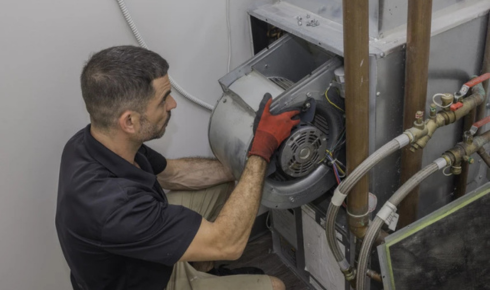
Now, let’s talk about the air handler — the big, often-overlooked box that literally handles the air. It pulls in air from your house, conditions it (heats or cools), and sends it back through the ducts. But when something goes wrong here, your whole system can seem off.
Maybe you’ve noticed the system struggling to maintain temperature, or you’re hearing strange humming, rattling, or even silence when it should be working. These could be signs of common issues like a worn blower motor, dirty coils, clogged filters, or faulty dampers.
Trust me, these aren’t just minor annoyances. If left unchecked, they can snowball into bigger — and pricier — problems. Taking the time to diagnose and apply proper faulty air handler fixes can prevent major breakdowns and keep your system humming along smoothly.
Sometimes it’s as simple as a filter replacement. Other times, it could mean lubricating components, recalibrating sensors, or replacing a tired motor. The good news? These fixes are often far more affordable than full replacements.
The Path to Actually Increase System Performance
Here’s where things get exciting. Imagine if you could squeeze 10–20% more performance out of your HVAC system without buying a new one. It’s possible, and it starts with seeing your HVAC like a system — not just a box that heats or cools.
First up: insulation and sealing. If your attic is letting all your cooled or heated air escape, you’re not just wasting money — you’re throwing comfort out the window. Air sealing gaps, upgrading insulation, and even switching to programmable thermostats can all contribute to a noticeable improvement in performance.
Then there’s maintenance — the unglamorous hero. Annual tune-ups, regular coil cleaning, and checking refrigerant levels are the kind of behind-the-scenes work that lets your HVAC thrive for years longer than neglected units. It might not be thrilling, but these steps can dramatically increase system performance without new installations.
Even something like adjusting the fan speed or ensuring your thermostat is in the right location (yep, that matters) can reduce short cycling and even out temperatures across rooms.
Technology Isn’t Magic — But It Can Help
Let’s face it: smart thermostats and energy-efficient models are all the rage. And they can absolutely help — if everything else is in check. But too often, people upgrade their thermostats hoping for miracles, only to be disappointed.
If your ducts leak or your handler is acting up, a smart thermostat won’t fix that. Think of tech as the cherry on top — something that enhances a well-running system. Used wisely, these tools can help regulate zones, learn your patterns, and shave off some energy costs. But they’re not a band-aid for neglected maintenance or poorly designed systems.
Final Thoughts: It’s Not About the Brand — It’s About the Balance
One of the biggest misconceptions in HVAC is that brand = performance. Sure, high-end systems can be great. But even the most expensive unit will underperform if the system around it is out of balance.
What you really want is a system where airflow, equipment, insulation, and usage habits all work together. That’s where comfort lives. That’s where savings show up. And that’s where your HVAC becomes something you don’t have to think about — because it’s just working.
So, if your system isn’t living up to its potential, don’t assume it’s a lost cause. Start with a few inspections. Talk to a technician who actually listens. And take it one step at a time.