Water is one of those things we rarely think about until something seems wrong. We turn on the tap, fill a glass, take a shower, and get on with the day. But when water starts leaving stains, creating an unusual smell, or making soap difficult to rinse away, it becomes hard to ignore.
These problems are fairly common, especially in homes that rely on private wells. Sometimes the cause is simple mineral content. Other times, the water may need a closer look through proper testing. Three common water-quality concerns are mineral hardness, iron, and sulfur. Each behaves differently, so understanding the signs can help homeowners make better decisions instead of buying treatment equipment blindly.
Why Hard Water Can Be So Annoying
Minerals naturally enter groundwater as it moves through soil and rock. Calcium and magnesium are the main minerals responsible for hardness. In most situations, they aren’t considered a major health concern, but they can cause plenty of household headaches.
One of the easiest signs to spot is white or chalky buildup. You may see it around faucets, showerheads, sinks, and even inside appliances that regularly use water. Over time, these deposits can become difficult to remove.
Hard water can also affect everyday cleaning. Soap and shampoo may not lather as well, and some people notice that their skin feels dry after showering. Clothes can feel less soft after repeated washing, too.
Water heaters are particularly vulnerable to mineral buildup. Deposits can collect around heating elements or at the bottom of a tank, potentially reducing efficiency. If your household has persistent scale problems, testing the water can help determine whether a softening system is appropriate.
The Trouble With Iron in Household Water
Not every water problem is obvious the moment you turn on the faucet. Water containing iron can sometimes look perfectly clear when it first comes from the tap. After sitting in a glass or being exposed to air, however, it may develop an orange or reddish appearance.
Iron is particularly common in groundwater because water can pick up naturally occurring minerals as it travels underground. While small amounts may simply affect taste or appearance, higher levels can create frustrating household problems.
Rust-colored stains on toilets, bathtubs, sinks, and laundry are among the most recognizable signs. Nobody enjoys discovering that a freshly washed white shirt has developed an unexpected orange mark. Iron can also give drinking water a metallic taste, which can make even a morning glass of water less appealing.
There are different types of iron in water, and treatment depends on which type is present. Some systems use oxidation followed by filtration, while others are designed specifically to remove dissolved iron. Testing is important because the best solution depends on the concentration and chemistry of the water.
Where That Rotten-Egg Smell Comes From
Few household water problems are as memorable as a rotten-egg smell coming from the faucet. The odor is commonly linked to hydrogen sulfide, which can naturally occur in groundwater.
Water containing sulfur may have an unpleasant smell even when it looks completely clear. In some homes, the odor is stronger when using hot water. It can also become noticeable in showers, sinks, washing machines, and other places where water is frequently used.
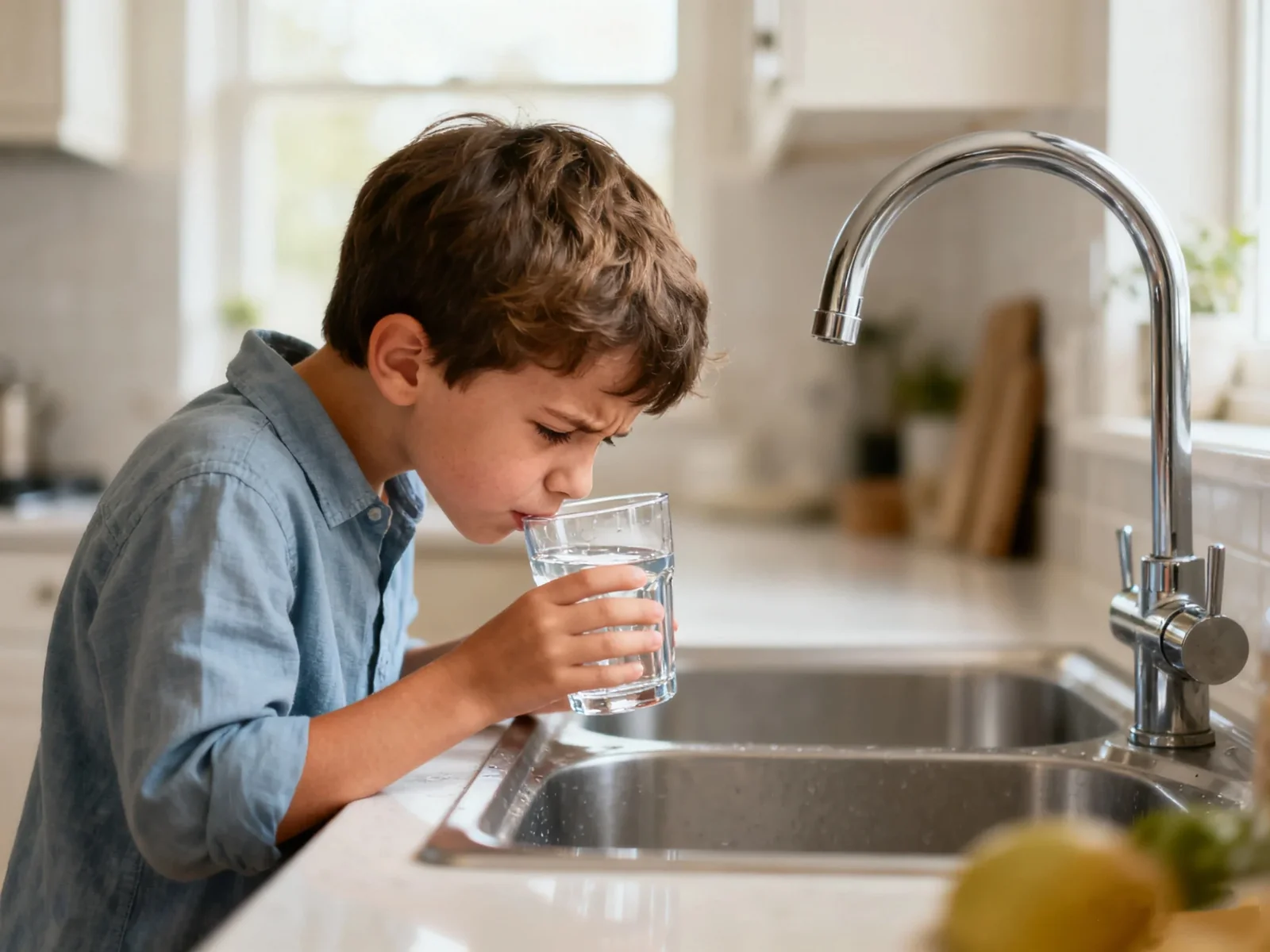
The smell isn’t something homeowners should simply have to tolerate. Depending on the cause and concentration, treatment may involve aeration, oxidation, filtration, or other specialized methods. Sometimes bacteria within a well or plumbing system can contribute to the problem, which is another reason professional testing can be useful.
An unusual smell doesn’t automatically mean the water is unsafe, but it is certainly a reason to investigate. After all, water should be something you feel comfortable using every day.
Why Water Testing Comes First
When homeowners notice stains, scale, or strange odors, the natural reaction is to search for a filter online. That can be tempting, but it may not solve the actual problem.
A proper water test provides useful information about mineral levels, pH, bacteria, and other characteristics. For private well owners, regular testing is particularly important because groundwater conditions can change over time.
Testing also prevents unnecessary expenses. A household may think it needs a water softener when the real concern is something else. Another home may buy an odor filter without realizing that the water contains additional issues that require different treatment.
In short, don’t guess when you can test.
How Water Quality Affects Your Home
Water quality affects much more than drinking and bathing. The same water travels through pipes, fixtures, water heaters, washing machines, dishwashers, and other appliances.
Mineral deposits can build up inside plumbing. Staining can make bathrooms look dirty even after a thorough cleaning. Certain water conditions can also increase maintenance needs and shorten the useful life of household equipment.
That’s why solving a water-quality problem early can be worthwhile. A small issue noticed today may become a much bigger maintenance headache after years of neglect.
Choosing the Right Treatment
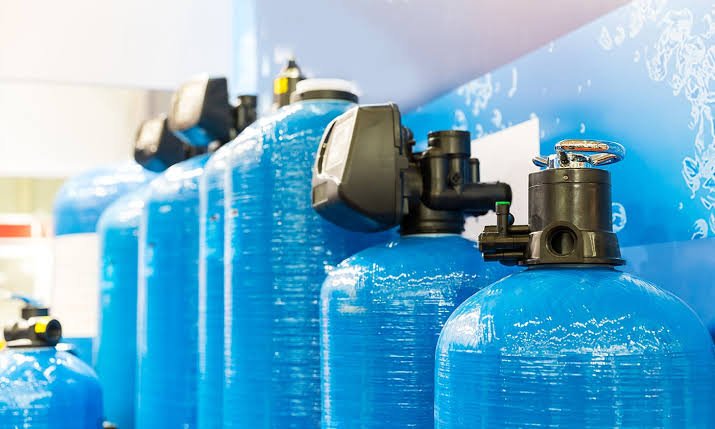
There isn’t one universal water-treatment system that works for every home. The right equipment depends on what’s actually present in the water.
A water softener may be suitable for significant mineral hardness. Iron-removal equipment can help when iron causes staining or taste problems. Odor-related issues may require aeration, oxidation, filtration, or another approach depending on the source.
The important thing is to match the treatment to the test results. A professional water-treatment specialist can evaluate the results and recommend equipment based on the household’s water usage, plumbing setup, and specific concerns.
Better Water Starts With Understanding It
Water problems can be frustrating, but they don’t have to remain a mystery. A chalky faucet, rusty stain, or unpleasant odor is often a clue that something in the water deserves closer attention.
The smartest first step is simple: test the water and understand what’s actually causing the problem. Once you know what’s there, choosing the right treatment becomes much easier.
Clean, pleasant water isn’t a luxury reserved for new homes or expensive systems. With proper testing, sensible treatment, and regular maintenance, homeowners can protect their plumbing, appliances, and everyday comfort. Sometimes, the clearest solution begins by simply paying attention to what comes out of the tap.