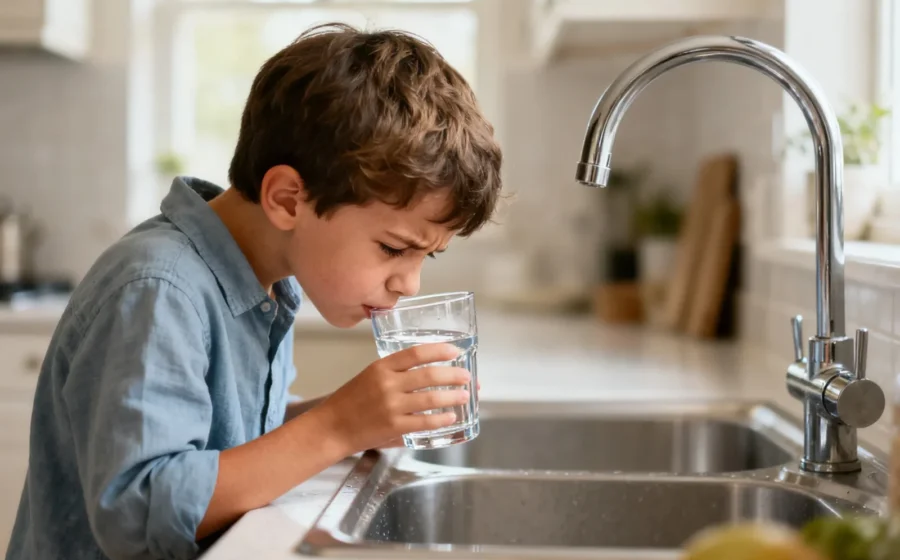
You probably don’t think much about the water coming out of your tap until something starts to feel off. Maybe your shower leaves your skin dry, your glasses come out cloudy, or the kettle develops a stubborn white crust. These little annoyances are often brushed aside as normal household problems. In many homes, though, they’re signs of hard water.
Hard water isn’t necessarily unsafe to drink. The bigger concern is what it can do over time to plumbing, appliances, laundry, and everyday comfort. Understanding what causes hardness and knowing when treatment makes sense can save money, reduce maintenance headaches, and make water feel noticeably better.
Where Hard Water Comes From
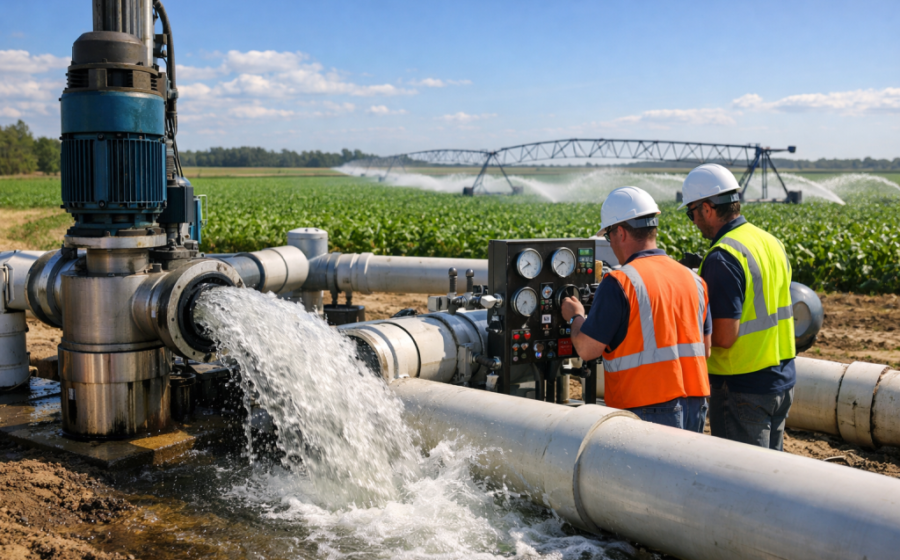
Water naturally picks up minerals as it moves through soil and rock. When groundwater passes through deposits containing limestone, chalk, or similar materials, it can dissolve minerals and carry them into wells and household water supplies.
The main hardness minerals found in water are calcium and magnesium. Their concentration can vary dramatically depending on geography and the source of the water. This is why one household might barely notice hard water while another nearby home deals with scale on nearly every fixture.
Hard water is generally classified according to the amount of dissolved calcium carbonate equivalent in the water. The harder the water, the more likely it is to leave deposits behind. You don’t need to memorize water-hardness charts, though. If your faucets are constantly developing white spots or soap refuses to lather properly, your water may be telling you something.
Why Calcium and Magnesium Matter
Calcium and magnesium are naturally occurring nutrients and aren’t automatically something to fear. In fact, they’re essential minerals that the human body needs. The problem with hard water is usually less about drinking it and more about how those dissolved minerals behave around your home.
When heated, these minerals can precipitate and form scale. Think of the chalky buildup you see around a showerhead or inside an old kettle. That same process can happen inside water heaters, pipes, dishwashers, washing machines, and other equipment.
Over time, calcium and magnesium deposits can restrict water flow and make appliances work harder. A water heater, for example, may lose efficiency when layers of scale accumulate around heating elements or inside the tank.
This doesn’t happen overnight. It’s a slow process, which is partly why homeowners often overlook it. Months become years, and suddenly an appliance that once worked perfectly needs expensive maintenance or replacement.
The Everyday Signs of Hard Water
Some signs of hard water are easy to spot. Others are subtle.
Soap and shampoo may struggle to produce a rich lather. After bathing, your skin can feel tight or coated, while hair may seem dull or difficult to manage. Clothes washed in hard water can feel rough, and white fabrics may gradually lose their brightness.
Then there’s the kitchen. Glassware may develop cloudy marks even after a dishwasher cycle. Coffee makers and kettles can collect mineral deposits. Faucets might need frequent cleaning because of white scale around the aerator.
None of these problems necessarily means your plumbing is failing. Sometimes, the water itself is the culprit.
Hard Water Can Affect Plumbing and Appliances
One of the biggest long-term concerns is scale buildup inside plumbing. As deposits accumulate, the effective diameter of a pipe can become smaller. Reduced water flow may eventually become noticeable, particularly in older plumbing systems.
Water heaters are especially vulnerable because heat encourages mineral deposits to form. Scale can create a barrier between the heating element and the water, potentially making the system consume more energy to achieve the same result.
Appliances aren’t immune either. Dishwashers, washing machines, coffee makers, humidifiers, and ice makers can all be affected depending on how they’re designed and how much mineral-rich water they handle.
That doesn’t mean every home with hard water needs expensive treatment immediately. The sensible approach is to understand the severity first, then choose a solution based on actual water quality rather than guesswork.
Should You Install a Water Softener?
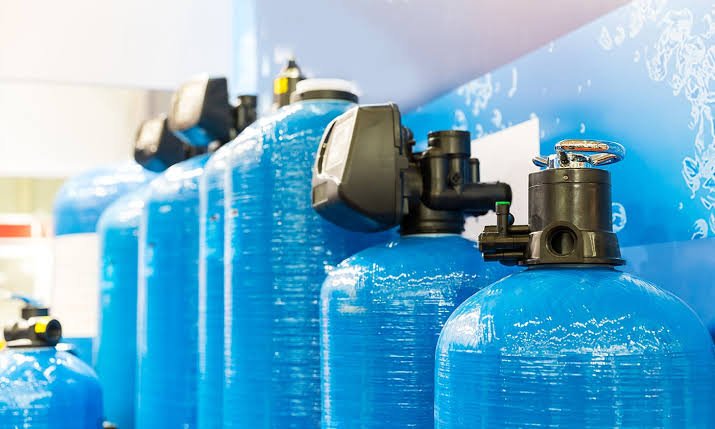
A water softener is one of the most common solutions for genuinely hard water. Traditional ion-exchange softeners work by replacing calcium and magnesium ions with sodium or potassium ions.
For households experiencing significant scale, a properly sized softener can make a noticeable difference. Faucets stay cleaner, soap tends to work better, and appliances may face less scale accumulation.
But softeners aren’t the only option. Some households use salt-free conditioning systems designed to reduce the tendency of minerals to form scale without actually removing hardness minerals. These systems work differently and may be suitable depending on the water chemistry and the homeowner’s goals.
The important thing is not to buy a system simply because someone says your water is “hard.” Get the water tested first. A basic water analysis can reveal hardness levels along with other issues that may need attention.
When Additional Filtration Makes Sense
Hardness isn’t the only thing that can affect household water. Depending on the source, water may also contain sediment, chlorine, iron, sulfur compounds, or other contaminants. That’s where additional filtration may become useful.
A filtration system can be designed around the specific problems identified in a water test. For instance, sediment filtration may help with visible particles, while activated carbon is commonly used for improving taste and reducing chlorine. Other treatment technologies are available for particular contaminants.
This is where personalized treatment makes more sense than a one-size-fits-all approach. A household using municipal water may have very different needs from a property relying on a private well.
It’s also worth remembering that filtration and softening are not the same thing. A filter isn’t necessarily designed to remove hardness, and a softener isn’t designed to address every possible contaminant. Sometimes the best setup combines different technologies.
Testing Your Water Is a Smart First Step
If you’re unsure whether hard water is affecting your home, testing is a good place to start. You can use a home test kit for a basic indication, although professional testing can provide a more complete picture.
Look beyond hardness alone. Depending on your water source, you may want to understand pH, iron, manganese, chlorine, total dissolved solids, and other relevant parameters.
Once you know what’s actually in your water, decisions become much easier. Instead of spending money on equipment that may not solve your problem, you can select treatment based on evidence.
A Better Approach to Household Water
Hard water is one of those household issues that tends to sneak up on people. At first, it’s just a little white residue on the faucet. Later, it may mean more cleaning, reduced appliance efficiency, or recurring plumbing maintenance.
The good news is that hard water is manageable. Testing can tell you how serious the issue is, while the right treatment can address the specific challenges your household faces.
Good water treatment isn’t about buying the biggest system or following the latest trend. It’s about understanding your water, your home, and your everyday needs. Once you do that, choosing the right solution becomes far less complicated — and your future self may be grateful you dealt with those tiny white spots before they became a much bigger problem.