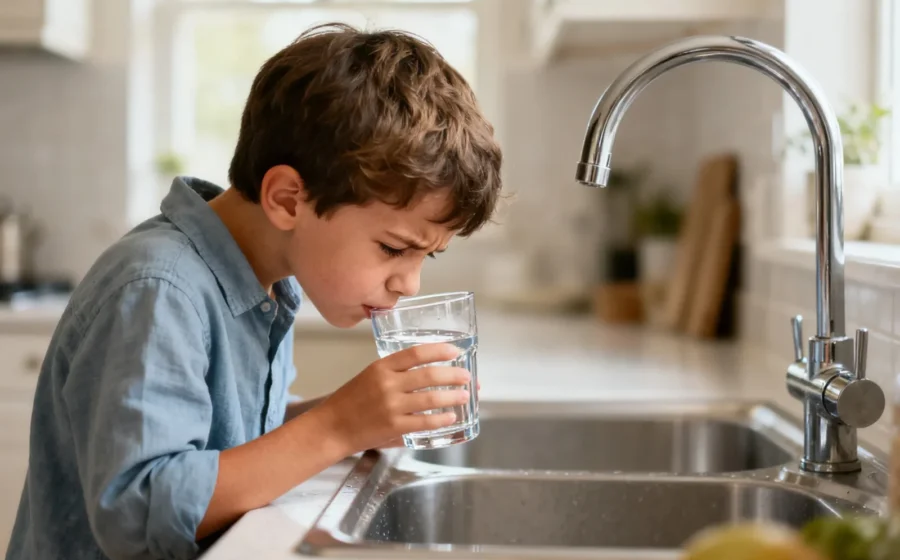
We tend to trust water because it looks simple. It comes out of the tap, clear and cold, and most days we don’t give it another thought. But water can carry minerals, disinfectants, sediment, and other substances that aren’t visible to the naked eye. Sometimes the first clue is a chalky ring around the faucet. Other times, it’s an odd taste in your morning coffee or a smell that seems to appear for no obvious reason.
The good news is that you don’t have to guess. A proper water test can tell you much more about what’s happening inside your plumbing. Once you understand the results, choosing a suitable treatment system becomes a lot less confusing.
Why Testing Your Water Is a Smart First Step
Buying a filtration system before understanding your water is a little like taking medicine without knowing what you’re treating. It might help, but you’re mostly guessing.
A free water test offered by a reputable water treatment provider can be a useful starting point for homeowners who want a basic assessment. Depending on the provider, testing may identify common concerns such as mineral content, pH, chlorine, iron, or other characteristics.
However, it’s important to understand what a free test actually covers. Some basic tests are designed as an initial screening rather than a complete laboratory analysis. If you have a private well or specific contamination concerns, more comprehensive testing may be appropriate.
The point isn’t to collect the most test results possible. It’s to get useful information that helps you make a sensible decision.
Hard Water Is More Than an Annoyance
If you’ve ever scrubbed a showerhead covered in white deposits, you’ve probably encountered hard water.
Hardness generally refers to the amount of dissolved calcium and magnesium in water. These minerals aren’t necessarily something you can see in a glass, but they can leave their mark over time.
Hard water can create scale on faucets, shower doors, pipes, and appliances. It can also make soap lather less effectively, which may lead people to use more detergent or cleaning products than they otherwise would.
Water heaters can be particularly vulnerable to mineral buildup. As scale accumulates, it can interfere with heat transfer and contribute to reduced efficiency.
That doesn’t mean every home with hard water needs an elaborate treatment system. The right solution depends on the actual hardness level and how it affects the household.
Understanding Chlorine in Tap Water
Municipal water systems commonly use disinfectants to control harmful microorganisms. Chlorine is one of the most familiar examples.
While properly treated municipal water is regulated, some people notice the taste or smell of chlorine in their tap water, particularly when drinking it plain.
Chlorine can also interact with organic material in water, which is one reason water treatment professionals pay attention to its concentration and overall water chemistry.
Activated carbon filtration is commonly used to reduce chlorine taste and odor. A point-of-use filter may be enough if drinking water is your main concern, while a whole-home carbon system may be considered when the concern extends throughout the house.
Again, the choice should depend on the water and the homeowner’s priorities.
Water Can Affect More Than Taste
When people think about water quality, drinking water usually gets all the attention. Yet household water interacts with nearly everything.
Hard water can leave spots on dishes and glassware. Mineral deposits can collect around fixtures. Water characteristics can influence laundry, bathing, cooking, and the performance of appliances.
This is why water treatment can sometimes feel less like a health-focused purchase and more like a practical home improvement.
A family may install treatment equipment because the shower feels better. Another homeowner may be more concerned about protecting a water heater. Someone else may simply want their coffee to taste better.
There’s no wrong reason to care about water quality.
Don’t Confuse Filtration With Softening
Water treatment terminology can get confusing quickly.
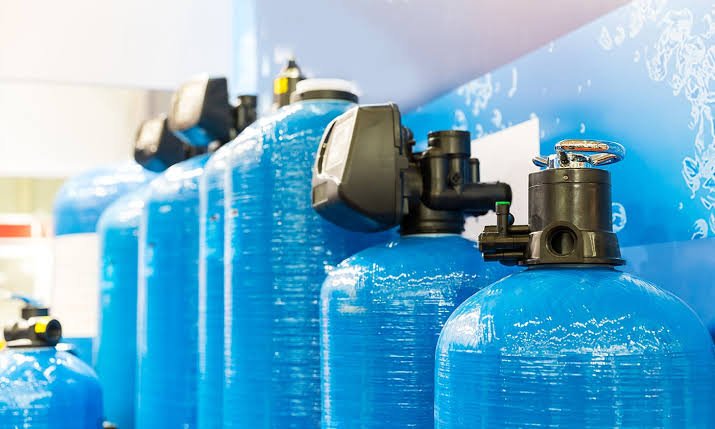
A water softener primarily addresses hardness minerals. A carbon filter can reduce chlorine and certain taste- and odor-causing substances. Sediment filters target suspended particles. Reverse osmosis systems use a membrane to reduce many dissolved substances from drinking water.
These technologies have different jobs.
If your main concern is scale, buying a system designed primarily for chlorine reduction won’t necessarily solve the problem. Likewise, a softener isn’t a substitute for every type of filtration.
Knowing what the equipment is designed to do can save you from spending money on a system that doesn’t match your needs.
What a Good Water Test Can Tell You
Water testing isn’t just about getting a list of numbers. The useful part is understanding what those numbers mean.
A test may reveal elevated hardness, unusual pH, chlorine levels, iron, manganese, sediment, or other characteristics. For private wells, testing may also include microbiological parameters and other locally relevant concerns.
If your water suddenly changes in appearance, taste, or odor, testing can help determine whether you’re dealing with a temporary issue or something that requires attention.
It’s also useful before installing treatment equipment. You want the system to be based on actual conditions rather than assumptions.
Consider Your Entire Household
Water treatment decisions should reflect how the property is used.
A small household that mainly wants better drinking water may be perfectly happy with a kitchen filtration system. A larger family dealing with hard water throughout the property may benefit from whole-home treatment.
Think about where the problem occurs. Is it only at the kitchen faucet? Are shower fixtures affected? Are appliances developing scale? Does the water smell different from every tap?
Those details can point toward the type of treatment that makes the most sense.
Maintenance Keeps Treatment Working
No water treatment system is completely “install it and forget it.”
Filters need replacement. Softener systems require salt or other maintenance. Reverse osmosis membranes eventually need servicing. Even simple equipment benefits from periodic inspection.
Skipping maintenance can reduce performance and make it harder to recognize when the underlying water quality has changed.
A calendar reminder can be surprisingly helpful. It takes less than a minute to set one, and future-you will probably appreciate it.
Make Decisions Based on Information, Not Hype
Water quality doesn’t have to be mysterious. Start by testing the water, understand the results, and then consider which treatment technology actually addresses the problem.
Don’t feel pressured into buying the biggest or most complicated system. Sometimes a straightforward filter is all you need. Other homes may genuinely benefit from a combination of softening and filtration.
The best water treatment decision is the one that fits your water, your home, and your budget.
After all, clean and comfortable water isn’t about having the fanciest equipment in the utility room. It’s about turning on the tap every morning and knowing that what comes out is exactly what your household needs.