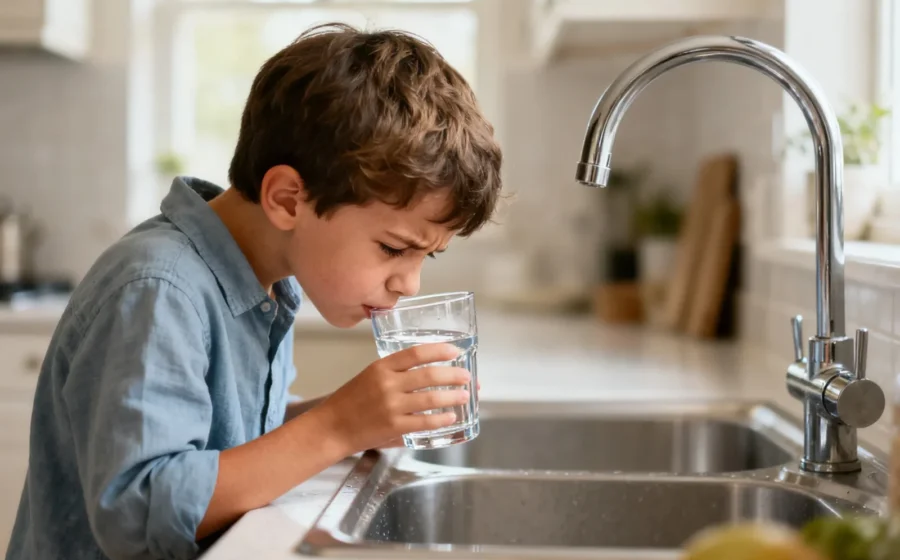
Water problems don’t always announce themselves dramatically. Sometimes the first clue is a white ring around the faucet. Other times, it’s an odd smell when you turn on the shower or a glass of water that doesn’t taste quite right.
These everyday details are worth noticing. Water can pick up minerals and other substances as it travels through soil, rock, pipes, and treatment systems. Some of these are mostly nuisances, while others deserve closer attention through proper testing.
Understanding what you’re seeing, smelling, or tasting is a useful first step toward deciding whether your home’s water needs treatment.
What Makes Water Hard?
If you’ve noticed spots on your dishes or a chalky buildup around your showerhead, you’ve probably encountered hard water.
Hardness is primarily caused by dissolved calcium and magnesium. These minerals occur naturally in many water supplies. While hard water isn’t automatically a health concern, it can create plenty of household frustrations.
Soap may not lather as easily. Glassware can come out of the dishwasher covered in spots. Shower doors may need constant scrubbing. Over time, mineral scale can accumulate inside water heaters, pipes, faucets, and appliances that use water.
A water softener can be helpful when hardness is significant enough to cause these problems. But testing is still the sensible first move. Not every home needs softening, and the appropriate system depends on the actual hardness level and household water use.
That Rotten-Egg Smell Has a Reason
Few water smells are as recognizable as the classic rotten-egg odor.
One possible cause is hydrogen sulfide, a gas that can occur naturally in groundwater or be produced by certain bacteria under specific conditions. Even small amounts can create a strong smell, particularly when water is heated.
The odor may be noticeable in showers, sinks, or even a glass of water. In some situations, sulfur-related issues can also contribute to corrosion or staining.
The important thing is not to guess at the cause. A professional assessment and appropriate testing can help determine what’s happening and whether treatment is necessary.
Different treatment approaches may be used depending on the source and concentration, including aeration, oxidation, filtration, or other technologies.
Not Every Water Problem Is Visible
One of the trickier things about water quality is that some concerns don’t produce an obvious warning sign.
There are many common water contaminants that may not change the color, taste, or smell of water. Depending on the source, these can include certain minerals, microorganisms, nitrates, and other substances.
That’s why clear water shouldn’t automatically be considered perfect water.
For municipal supplies, water is generally monitored and treated through established systems. Private well owners, however, have a greater responsibility for monitoring their own water quality.
Regular testing based on local guidance and individual circumstances can provide useful information, especially when the water source may be affected by agriculture, septic systems, flooding, or changes in surrounding land use.
Why Water Testing Comes First
It’s tempting to purchase a filtration system after reading a convincing advertisement or hearing a friend’s recommendation. But what works wonderfully for one home may do very little for another.
Testing helps identify the actual issue.
A basic water test can provide information about characteristics such as hardness, pH, or certain other factors. More detailed laboratory testing may be appropriate when specific contaminants are suspected.
Once you know what is present, choosing treatment becomes much easier. Instead of buying a product because it promises “cleaner water,” you can select technology designed for the problem you’re actually trying to solve.
That saves money, time, and a fair amount of frustration.
Choosing Treatment for Hardness
If testing confirms significant hardness, water softening may be worth considering.
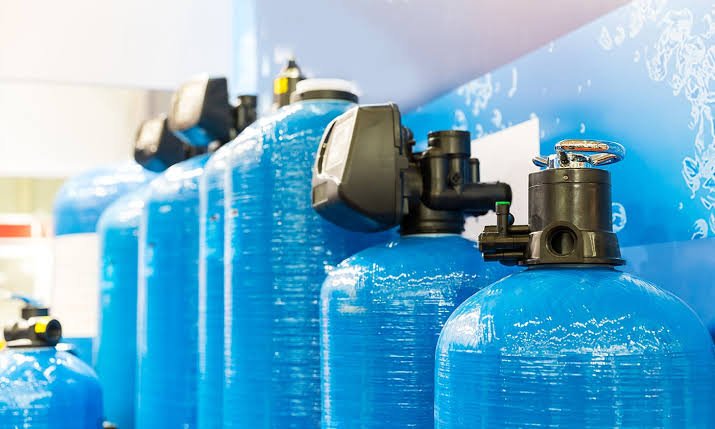
Softening systems are designed to reduce calcium and magnesium before water moves through the home’s plumbing. Many homeowners notice practical differences, such as less scale on fixtures and improved soap performance.
However, softeners aren’t designed to solve every water-quality problem. They don’t replace appropriate filtration or disinfection when those treatments are needed.
Think of water treatment like using the right tool in a toolbox. You wouldn’t use a screwdriver to hammer a nail just because it’s already in your hand.
Dealing With Unpleasant Odors
Water odors can come from several sources, and identifying the cause matters.
Sulfur odors may be associated with hydrogen sulfide, while chlorine odors can come from municipal disinfection. Organic matter, plumbing issues, or stagnant water can also affect smell.
Treatment options vary accordingly. Activated carbon can help with certain taste and odor issues, while other problems may require more specialized equipment.
If an odor suddenly appears where it wasn’t present before, it’s worth investigating. A sudden change can sometimes tell you more than a long-standing minor issue.
Whole-House or Drinking-Water Filtration?
Another question homeowners often face is whether to treat all water entering the property or focus only on drinking and cooking water.
Whole-house systems treat water as it enters the home and may be appropriate when the concern affects showers, laundry, plumbing, and appliances as well as drinking water.
Point-of-use systems, such as under-sink filters, concentrate treatment on a particular faucet. Reverse osmosis systems are also commonly used for drinking-water applications when specific dissolved substances need to be reduced.
The best choice depends on water-quality results, household needs, budget, and maintenance expectations.
Maintenance Is Easy to Forget
Once a treatment system is installed, it’s easy to assume the job is done. Unfortunately, water equipment still needs attention.
Filters have replacement schedules. Softener systems may need servicing. Treatment media can eventually become exhausted. Ignoring these requirements can reduce system performance.
A simple reminder on your phone can help. Write down the installation date, note when filters are changed, and keep the manufacturer’s maintenance instructions somewhere easy to find.
It takes only a few minutes, but it can make a real difference over the life of the system.
Better Water Starts With Understanding
Water quality doesn’t have to become an overwhelming subject. Start with what you can observe, then move toward testing and reliable information.
If you’re seeing scale, investigate hardness. If there’s a rotten-egg odor, consider whether hydrogen sulfide or another issue could be involved. If you’re concerned about substances you can’t see, proper testing becomes even more important.
Most importantly, don’t assume one treatment technology can handle everything.
Good water treatment is about matching the solution to the problem. When you understand what’s actually in your water, you can make calmer, smarter decisions about filtration, softening, purification, and maintenance.
And that is really the goal—not chasing perfect water, but creating a water supply that works well for your home, your appliances, and the people who rely on it every day.