A water treatment system is easy to appreciate when everything is working as it should. The water tastes good, the shower feels comfortable, and there are fewer mineral deposits around the kitchen sink. Most days, you probably don’t think about the equipment at all. Then a filter light starts flashing, the water pressure changes, or you notice that the usual benefits seem to be fading.
These little warning signs are worth paying attention to. Like a furnace, water heater, or other essential household equipment, a water treatment system needs regular care to perform properly. Fortunately, maintenance doesn’t have to be complicated. A few sensible habits, timely professional attention, and a clear understanding of your equipment can help prevent avoidable problems and keep your water supply working the way you expect.
Why Routine Maintenance Matters
Water treatment equipment handles a steady flow of water, often every day of the year. Depending on the system, it may collect sediment, remove selected contaminants, reduce hardness minerals, or rely on a membrane to separate dissolved substances. Over time, filters become exhausted, moving parts wear, and internal components may need cleaning or adjustment.
Following a suitable system maintenance schedule helps keep the equipment operating within its intended performance range. It can also make it easier to spot developing issues before they lead to leaks, poor water flow, or disappointing treatment results.
The exact schedule depends on the type of equipment, the quality of the incoming water, and how much water your household uses. A filter in a busy family home may need attention sooner than one serving a couple in a smaller property. Similarly, water with high sediment levels can place extra demands on certain filtration systems.
Start by reading the manufacturer’s instructions. They usually explain when to replace filters, inspect connections, replenish consumables, and arrange professional servicing. Keep these recommendations somewhere easy to find rather than relying on memory. A note on your phone or a reminder on your calendar is often enough.
Learn to Recognize Early Warning Signs
Water treatment systems rarely announce a problem in dramatic fashion. More often, the signs appear gradually. You might notice that the water has developed an unusual taste, that soap no longer lathers as easily, or that mineral deposits are returning around faucets.
A noticeable reduction in water pressure can indicate a clogged filter, although plumbing restrictions and other issues may produce similar symptoms. A softener that no longer controls hardness effectively may need a settings adjustment, replenishment of salt, or service. Unusual sounds, visible leaks, and persistent warning lights also deserve attention.
It’s important not to jump to conclusions. A change in water taste, for example, may come from the source supply or household plumbing rather than the treatment equipment itself. If several taps are affected, consider whether the issue is broader than one filter or fixture.
When something changes, write down what you noticed and when it began. This simple information can help a technician diagnose the problem more efficiently. If the water may be unsafe, stop using it for drinking or cooking until the concern has been properly assessed, and follow local public health guidance.
When Professional Repairs Make Sense
Some maintenance tasks are straightforward, but others involve pressure, electrical components, plumbing connections, or specialized equipment. Trying to fix a complicated issue without the right knowledge can create additional problems, even when the original fault seems minor.
Reliable repairs & service can help identify the cause of performance problems and restore the system according to the manufacturer’s requirements. A qualified technician may inspect valves, seals, tubing, control settings, filters, and other components depending on the equipment involved.
Before scheduling a visit, gather a few details. Note the system’s make and model, describe any warning lights or unusual noises, and explain whether the problem affects all taps or only one location. If you have recent water test results or service records, keep those available as well.
Ask the service provider to explain what needs repair and why. A good technician should be able to distinguish between a worn component, routine maintenance, and a more significant system problem. Request an estimate before authorizing additional work, especially if the equipment is older and replacement may be worth comparing with repair costs.
Don’t ignore a small leak simply because it hasn’t caused visible damage yet. Water can gradually affect cabinetry, flooring, and nearby materials. If a leak is active, follow the equipment’s safe shutoff instructions where possible and arrange appropriate assistance.
Salt Delivery and Water Softener Care
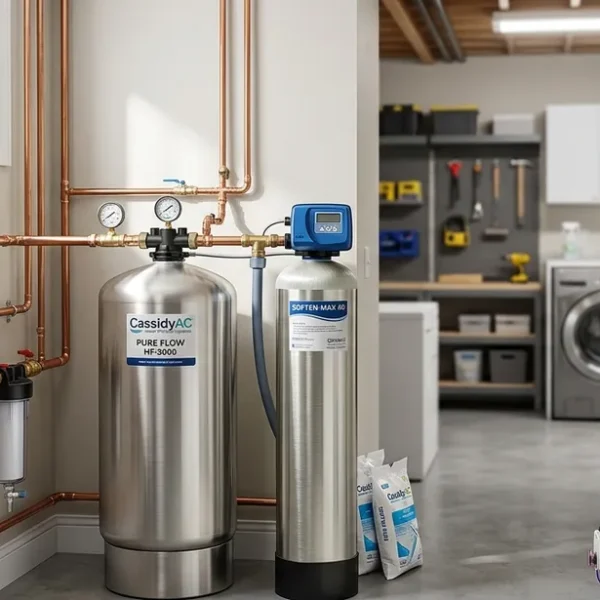
For households using conventional salt-based water softeners, keeping an adequate supply of the correct salt is an important part of routine care. These systems use an ion exchange process to reduce calcium and magnesium, the minerals responsible for hard water. Salt helps regenerate the resin so the softener can continue doing its job.
Running out of salt doesn’t always cause an immediate, obvious failure, but the system may gradually lose its ability to soften water effectively. Hardness deposits can then begin returning to fixtures, glassware, and appliances.
Regular salt delivery can make the process more convenient, particularly for busy households or people who prefer not to carry heavy bags themselves. Before arranging a service, check which salt type your softener requires. The manufacturer’s guidance should take priority over assumptions about what will work.
It’s also worth checking the brine tank occasionally, following the instructions supplied with your unit. Excessive salt buildup or a crusted layer, sometimes called a salt bridge, can interfere with normal operation. Don’t force tools into the tank or dismantle components without understanding the proper procedure.
Remember that not every water softener uses salt. Salt-free conditioning systems operate differently, so their maintenance requirements will not be the same. Identify your equipment first and follow the appropriate instructions.
Don’t Forget Filters and Membranes
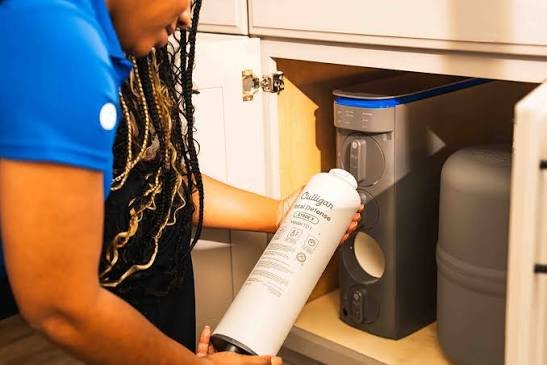
Filtration systems often require replacement cartridges at specified intervals. Some models include indicator lights, but these should be used alongside the manufacturer’s replacement guidance rather than treated as a perfect measurement of filter condition.
A cartridge may become exhausted even if the water still looks clear. Conversely, a sudden drop in flow may indicate a clogged filter before the scheduled replacement date. Both situations deserve attention.
Reverse osmosis systems require particular care because their performance depends on several components working together. Pre-filters protect the membrane, while post-filters may help improve taste. Replacing only one component and neglecting the others can affect overall performance.
Use compatible replacement parts and follow the correct installation and flushing procedures. If your system is intended to reduce specific health-related contaminants, make sure maintenance is completed as recommended. Poorly maintained equipment may not continue providing the expected level of treatment.
Build a Practical Maintenance Routine
A maintenance plan doesn’t need to be a complicated spreadsheet. Start with a few simple habits: check for visible leaks, review warning indicators, keep track of filter changes, and replenish required supplies. Schedule professional inspections when recommended by the manufacturer or when performance concerns arise.
Keep service receipts and note the dates of repairs. Over time, these records can reveal recurring issues and help you decide whether an older system remains economical to maintain.
It’s also useful to know what your system is designed to remove. Water treatment equipment has specific capabilities and limitations, and routine maintenance cannot make an unsuitable system appropriate for every water quality concern. If your source water changes or new concerns appear, consider additional testing and professional advice.
Protect Your Investment With Consistent Care
A reliable water treatment system should make daily life easier, not create a constant list of worries. Regular maintenance, timely repairs, and attention to essential supplies can help extend equipment life and reduce the risk of unexpected interruptions.
The most effective approach is simple: learn your system, notice changes early, and seek qualified help when a problem goes beyond routine care. Don’t wait for water quality to deteriorate before checking the equipment.
A little attention throughout the year can prevent unnecessary frustration and help you get the performance you paid for. When water treatment becomes part of your normal home maintenance routine, it is much easier to enjoy its benefits without giving the equipment a second thought every day.