Why Water Matters More Than We Often Realize
Water is one of those things we rarely think about until something goes wrong. A shower loses pressure, a tap starts producing cloudy water, or a garden irrigation system suddenly stops working on a hot afternoon. At home, these problems are frustrating. In a commercial property, they can disrupt daily operations and create unexpected expenses.
A dependable water system does more than deliver water when someone opens a tap. It supports hygiene, comfort, cleaning, gardening, and countless everyday activities that keep a property running smoothly. Getting the system right requires attention to water quality, equipment performance, maintenance, and the specific needs of the people using it.
The good news is that many common water-related issues can be managed with thoughtful planning. Rather than waiting for a breakdown, property owners can look at how their systems operate, identify areas for improvement, and make practical changes that deliver lasting benefits.
Finding Solutions That Fit Your Property
Every property has different requirements. A small apartment, a family home with a large garden, and a commercial building won’t necessarily need the same equipment or maintenance routine. Even two houses on the same street may have different water concerns because of their plumbing, supply conditions, or usage patterns.
Effective residential solutions begin with understanding how water is used throughout the property. A household with several bathrooms may need to pay particular attention to flow rate and pressure during busy mornings. A home with a landscaped garden might use a substantial amount of water outdoors, making irrigation efficiency an important consideration.
Start by noticing the little things. Does the water pressure change when several taps are running? Are there recurring leaks around fixtures? Does the washing machine develop mineral deposits more quickly than expected? These observations can help reveal where the system may need attention.
It’s also worth considering future needs. A growing family, a bathroom renovation, or the addition of an outdoor kitchen can change water demand. Planning for these changes early may prevent the inconvenience of upgrading equipment sooner than expected.
For more complicated concerns, a qualified plumber or water-treatment professional can assess the existing setup and recommend appropriate improvements. The best solution isn’t necessarily the largest or most expensive one. It is the option that addresses the actual need without adding unnecessary complexity.
Water Quality Deserves a Closer Look
Clear water isn’t always perfect water, and unusual-looking water isn’t automatically unsafe. Understanding the difference is important when deciding whether treatment is necessary.
Water may contain dissolved minerals, sediment, chlorine, iron, or other substances depending on its source and treatment history. Some affect taste, smell, or appearance. Others may require specific testing to detect. Hard water, for example, can leave deposits on taps, shower screens, and heating elements, while certain contaminants cannot be identified by sight or smell alone.
If you’re concerned about your supply, testing is a sensible starting point. The appropriate test depends on whether the water comes from a municipal supply, a private well, or another source. A qualified laboratory or water professional can help determine which parameters should be checked.
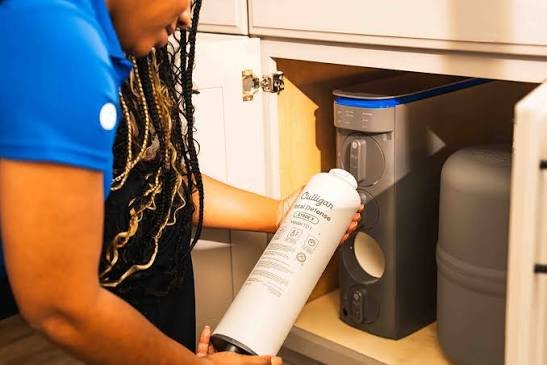
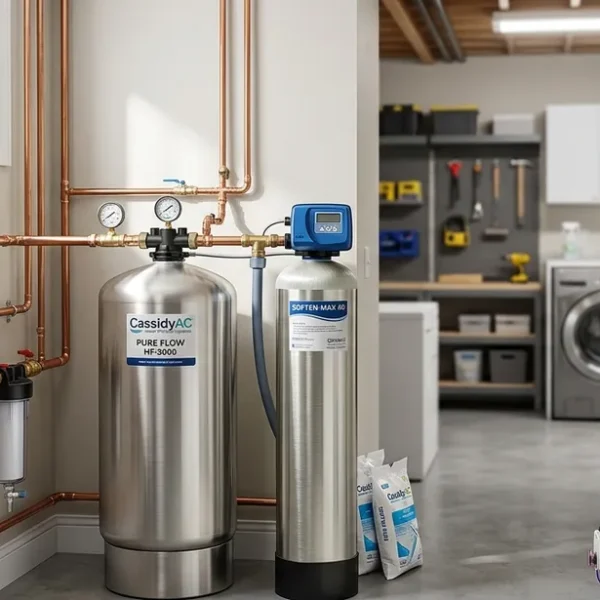
Once the results are available, you can decide how to improve water quality based on evidence rather than assumptions. Different treatment technologies serve different purposes. Sediment filters remove suspended particles, water softeners address hardness, and activated carbon filters can reduce certain tastes, odours, and chemical compounds. Reverse osmosis can reduce a range of dissolved substances, depending on the system and its certification.
No single treatment method removes everything. Choosing equipment that matches the test results is more effective than purchasing a system simply because it advertises multiple filtration stages.
The Role of Pumps in Everyday Water Use
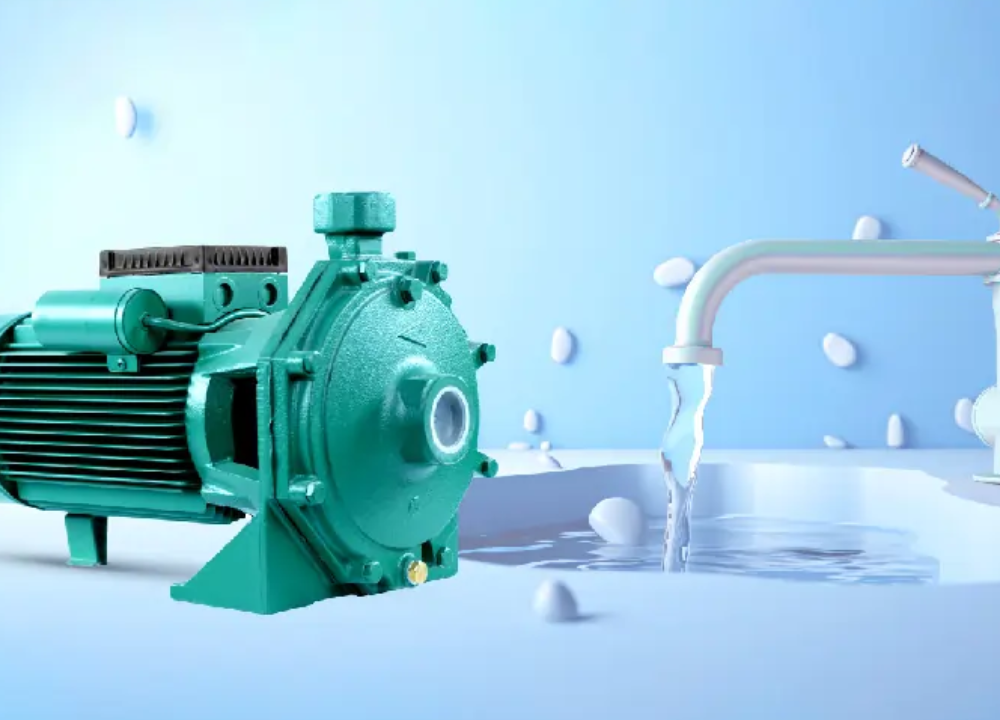
Water doesn’t always move where it’s needed through gravity alone. Many properties depend on pumps to transfer water, maintain useful pressure, support irrigation, or remove unwanted water from low-lying areas.
Well-designed pumps & water systems can make these tasks more dependable, but equipment selection matters. A pump must be suited to the required flow rate, operating pressure, water source, pipework, and expected usage. Installing a unit that’s too small may result in poor performance, while an oversized pump can waste energy and create unnecessary wear.
Think about a household that experiences weak pressure whenever multiple taps are used. The problem might involve the pump, but it could also stem from a partially closed valve, clogged filter, undersized pipe, or another plumbing issue. Replacing equipment without checking the cause may not solve anything.
Irrigation systems provide another useful example. A pump needs to deliver enough water to the relevant zones while operating within its recommended limits. Timers, suitable pipe sizing, and well-maintained sprinkler heads can help the overall system work more efficiently.
Safety should never be overlooked. Electrical connections, pressure controls, and pump repairs may require professional attention. Always follow manufacturer guidance and applicable local requirements, particularly when equipment operates near water or handles high pressure.
Small Maintenance Habits Can Prevent Bigger Problems
Most water systems benefit from regular checks. Fortunately, maintenance doesn’t always have to be complicated. A few consistent habits can help property owners spot developing issues before they become expensive repairs.
Look for dripping taps, damp patches, unexplained increases in water bills, and signs of corrosion around visible pipework. Check outdoor hoses and irrigation connections, especially after periods of heavy use or seasonal weather changes. Clean or replace filters according to the manufacturer’s instructions rather than waiting until performance drops noticeably.
Pumps and pressure equipment also need appropriate inspection. Unusual vibration, persistent noise, frequent cycling, or sudden changes in performance can indicate a problem. These signs don’t always point to the same fault, so a proper diagnosis is preferable to guessing.
Keep records of servicing, replacement parts, water tests, and repairs. It might sound a little excessive for a household, but even a simple folder or digital note can be helpful. When a recurring issue appears, having the history available makes it easier to understand what has already been tried.
Preventive maintenance is especially valuable for properties that rely on private wells, storage tanks, filtration equipment, or drainage pumps. The precise schedule will vary, so follow the equipment manufacturer’s recommendations and seek professional advice where necessary.
Efficiency Is About More Than Saving Water
Using water efficiently can reduce waste, but it may also lower energy bills and extend equipment life. Pumping, heating, treating, and moving water all require resources. A poorly maintained system can consume more than necessary while delivering disappointing results.
Repairing leaks is an obvious first step. Low-flow fixtures, appropriately programmed irrigation, and appliances suited to household demand can also help. Where outdoor watering is necessary, watering at cooler times of day and directing water toward plant roots may reduce evaporation.
Efficiency improvements should still suit the property. For instance, a filtration system should be selected according to actual water conditions, and its filters must be changed as recommended. An unsuitable system can waste money and may not deliver the expected performance.
Before making a major upgrade, compare the initial price with operating costs, maintenance requirements, replacement parts, and expected service life. A modest improvement that works consistently can offer better value than an elaborate system with features you rarely use.
Building a More Dependable Water System
Reliable water management isn’t about buying every available product or replacing equipment at the first sign of trouble. It starts with understanding the property’s needs, checking the condition of existing equipment, and using reliable information to guide decisions.
Pay attention to changes in pressure, water appearance, consumption, and equipment performance. Arrange testing when quality concerns arise, maintain pumps and filters according to their requirements, and involve qualified professionals when a problem falls outside routine care.
A little planning today can prevent plenty of frustration tomorrow. When water quality, equipment selection, and regular maintenance work together, everyday water use becomes easier to manage. That’s the real goal: a system that quietly does its job, supports daily life, and gives you fewer reasons to worry about what happens when you turn on the tap.