Water problems have a way of showing up when you least expect them. One day, your shower feels normal; the next, there’s a chalky film on the glass, soap refuses to lather properly, and the kitchen tap leaves an unpleasant taste in your drinking water. For homeowners, these issues can be frustrating. For businesses, they can become expensive problems that affect equipment, daily operations, and customer satisfaction.
The good news is that most water quality concerns can be addressed with the right combination of testing, treatment, and maintenance. The important part is knowing which solution fits your situation. Water softening, filtration, and purification all serve different purposes, and understanding those differences can save you time and money.
Understanding the Water Problems in Your Home
Before choosing a treatment system, take a closer look at the water you’re using every day. Does it leave white deposits on faucets? Is there a rusty tint in the sink? Does the water smell strongly of chlorine, or does it have a musty, unpleasant odor?
These signs can offer useful clues, although they don’t provide a complete picture of water quality. Hardness, iron, disinfectants, organic compounds, and microbial contamination require different approaches. Some contaminants are visible or noticeable through taste and smell, while others cannot be detected without testing.
For this reason, a water quality test is often a sensible starting point. It helps identify the actual concern instead of relying on guesswork or buying equipment based on a salesperson’s recommendation alone.
Once you know what’s present in the water, choosing an appropriate treatment method becomes much easier.
Water Softener Installation and Repair for Hard Water Problems
Hard water is a common household nuisance. It contains elevated levels of dissolved calcium and magnesium, which can leave mineral deposits on bathroom fixtures, reduce soap lather, and contribute to scale buildup inside water heaters and other appliances.
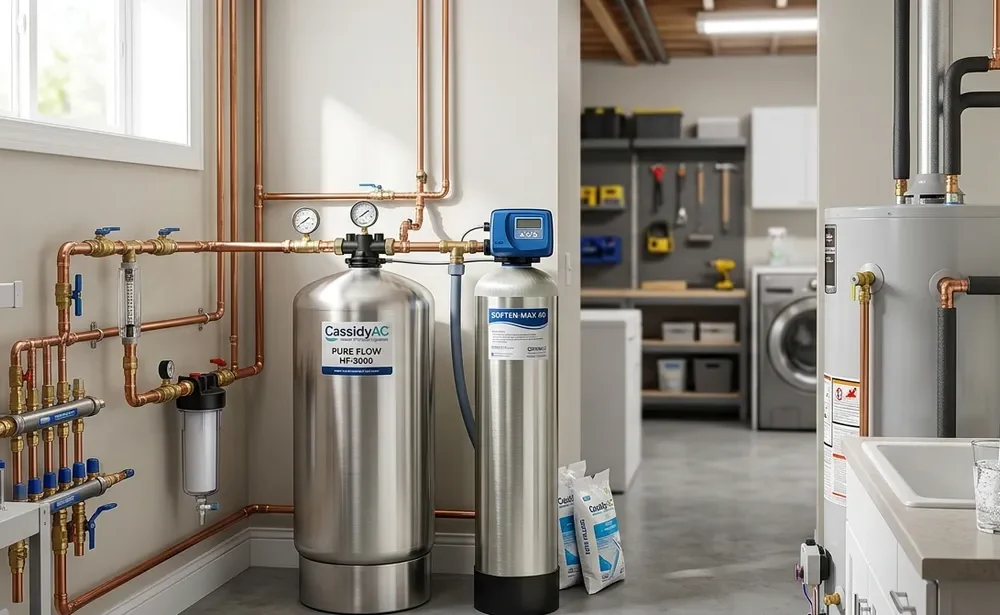
A properly selected softener can make a noticeable difference. Most conventional water softeners use an ion-exchange process to replace calcium and magnesium ions with sodium or potassium ions. This helps reduce hardness and the problems associated with it.
Professional water softener installation & repair can be particularly useful when a system isn’t producing the expected results. Perhaps the water still feels hard after installation, the regeneration cycle isn’t working correctly, or the unit is consuming more salt than usual. These issues can result from incorrect settings, exhausted resin, mechanical faults, or changing water conditions.
Correct sizing matters, too. A system that’s too small may regenerate too frequently, while an oversized unit can add unnecessary expense. A qualified technician can assess water hardness, household consumption, plumbing arrangements, and the system’s operating requirements before recommending equipment.
It’s also worth understanding what a softener doesn’t do. It isn’t designed to remove every contaminant, and it doesn’t automatically make unsafe water safe to drink. If your water has microbial or chemical concerns, additional treatment may be necessary.
Filtration Systems for Iron, Chlorine, and Unpleasant Odors
Water that looks clear can still have an unpleasant taste or smell. Iron may create reddish-brown stains on sinks, laundry, and bathroom surfaces. Chlorine, commonly used to disinfect municipal water supplies, can produce a noticeable swimming-pool-like taste or odor. Certain organic compounds and naturally occurring substances may also contribute to musty or sulfur-like smells.
The right filter depends on the substance causing the problem. Activated carbon is commonly used to reduce chlorine taste and odor, along with certain organic compounds. Iron removal may require oxidation followed by filtration, a specialized iron filter, or another treatment process selected according to the water chemistry.
Well-designed filtration systems for iron, chlorine, and odors can improve the overall experience of using water throughout a property. However, not every filter handles all three concerns equally well. Iron in particular can occur in different forms, and the treatment method depends on whether it’s dissolved, oxidized, or associated with other minerals.
For example, a carbon filter may improve the taste of chlorinated tap water, but it may not be suitable for removing high concentrations of dissolved iron. Installing the wrong filter can lead to poor results, clogged media, and disappointing performance.
Testing helps clarify which technology is appropriate. After installation, routine maintenance is essential because filtration media eventually become exhausted or accumulate material that affects water flow.
Reverse Osmosis and Purification Solutions for Cleaner Drinking Water
Sometimes, filtration alone isn’t enough to address the concerns identified in a water test. In these situations, a more advanced drinking-water treatment system may be appropriate.
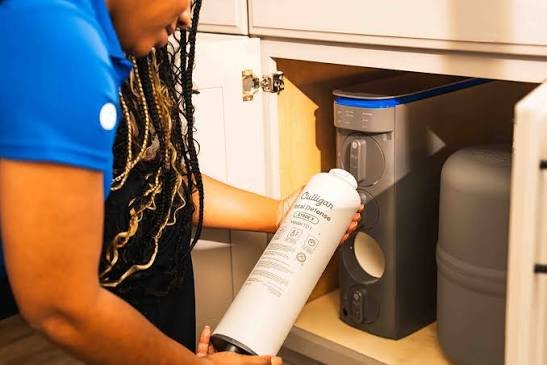
Reverse osmosis uses a semipermeable membrane to reduce many dissolved substances, including certain salts, metals, and other contaminants. Performance varies by substance, system design, membrane condition, and operating pressure. These systems are commonly installed beneath kitchen sinks, although larger configurations are available for commercial applications.
When comparing reverse osmosis & purification solutions, it’s important to focus on verified contaminant-reduction claims rather than broad promises about making water completely pure. Check whether the specific model has appropriate independent certification for the contaminants you want to reduce.
Reverse osmosis systems generally include prefilters to protect the membrane and may have a post-treatment stage to improve taste. Filters and membranes need replacement according to the manufacturer’s instructions and actual operating conditions.
Water efficiency is another consideration. Conventional reverse osmosis units discharge some water during treatment, although efficiency varies considerably between models. If water conservation is important in your area, compare recovery rates and consider systems designed to reduce wastewater.
Purification may also involve ultraviolet disinfection when microbial contamination is a concern. UV treatment can inactivate susceptible microorganisms, but it doesn’t remove dissolved salts or chemical contaminants. In some cases, combining appropriate filtration with disinfection provides more comprehensive treatment than relying on one technology alone.
Why Professional Installation and Regular Maintenance Matter
Even good equipment can perform poorly if it’s installed incorrectly or neglected. Poor plumbing connections, unsuitable flow rates, incorrect filter selection, and missed maintenance can all reduce a system’s effectiveness.
Professional installation can help ensure that equipment matches the water supply and the property’s needs. A technician can also explain how to monitor performance, recognize warning signs, and arrange replacement parts before problems become serious.
Maintenance requirements vary by system. Water softeners may need salt replenishment and periodic checks. Filters require cartridge or media replacement, while reverse osmosis units need scheduled membrane and filter servicing. UV systems require lamp replacement and appropriate cleaning to maintain effective disinfection.
If your water suddenly changes color, taste, or odor, don’t automatically assume that the treatment system will solve the problem. Investigate the cause, and arrange testing when necessary. Sudden changes can indicate plumbing issues, source-water changes, or other concerns that deserve attention.
Choosing a Water Treatment Provider You Can Trust
A reliable provider should begin by understanding your concerns rather than immediately recommending the most expensive equipment. Ask what testing is needed, why a particular treatment method is suitable, and which contaminants the proposed system is designed to address.
It’s also sensible to compare the total cost of ownership. Consider installation, electricity, consumables, service visits, and replacement components alongside the initial price. A cheaper system may not be the better value if maintenance is expensive or spare parts are difficult to find.
Look for clear warranties, realistic performance claims, accessible customer support, and independent product certifications relevant to your needs. These details provide a more useful basis for comparison than marketing language alone.
Better Water Starts With the Right Approach
Improving water quality doesn’t necessarily mean installing several expensive systems. Often, the best solution is a carefully chosen treatment method that addresses a specific, verified problem.
Hard water may call for a softener. Chlorine-related taste issues may respond well to activated carbon filtration. Certain dissolved contaminants may require reverse osmosis, while microbial concerns may call for an appropriate disinfection system.
Start with your water quality, choose equipment that matches the results, and keep up with maintenance once it’s installed. With a practical plan and the right professional guidance, you can reduce common water problems, protect household equipment, and enjoy greater confidence in the water you use every day.