You pull a freshly washed white shirt from the washing machine and discover a faint orange stain that wasn’t there before. Meanwhile, dark marks keep appearing around the bathroom sink, and your morning glass of water occasionally leaves a metallic aftertaste. For homeowners relying on private wells, these experiences can become frustratingly familiar.
Naturally occurring iron & manganese in groundwater can contribute to staining, unusual flavors, and recurring household maintenance concerns. Elevated manganese concentrations may also raise health concerns, making appropriate testing particularly important.
For families throughout Cedar Rapids and Eastern Iowa, understanding these minerals is the first step toward finding effective treatment. Rather than spending money on stronger cleaning products, it makes sense to investigate what’s happening beneath the surface.
How Do Iron and Manganese Get Into Well Water?
Groundwater doesn’t remain completely isolated from its surroundings. As it moves through underground rock formations and soil, it can dissolve naturally occurring minerals.
Iron and manganese may enter a private well through this process. Their concentrations can vary considerably between properties, even when those properties are relatively close together.
Sometimes, water containing dissolved iron appears perfectly clear when it first leaves the faucet. After exposure to oxygen, however, reddish-brown particles may begin to develop.
Manganese can produce darker deposits, often appearing brown or black around plumbing fixtures.
These characteristics provide useful clues, but laboratory testing remains necessary to determine what substances are present and at what concentrations.
Finding Filtration That Addresses the Actual Problem
Buying a standard water filter might seem like a straightforward solution. Unfortunately, removing dissolved minerals often requires more specialized treatment.
Effective filtration solutions for private wells should reflect measured mineral concentrations, water chemistry, and the form in which those substances occur.
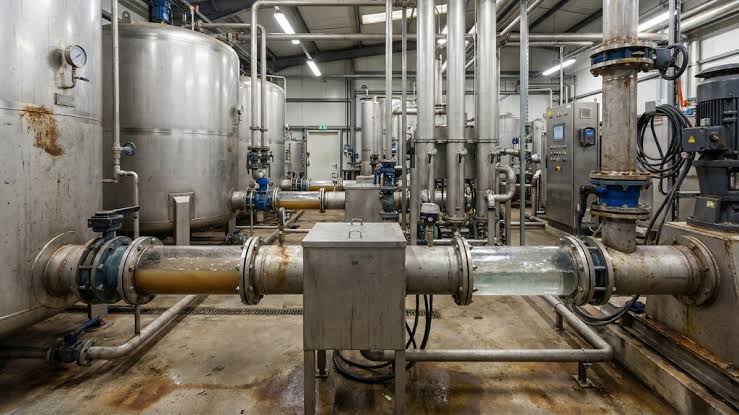
Mechanical sediment filters can capture particles already present in the water. Dissolved iron and manganese, however, may require oxidation followed by filtration.
Certain treatment systems use air or chemical oxidation to convert dissolved substances into particles that suitable filtration media can capture.
Other specialized media may provide effective treatment under appropriate operating conditions.
Factors such as pH, water flow, and competing substances influence equipment performance. That’s why selecting treatment without reliable testing can lead to disappointing results.
Why Water Testing Should Come Before Equipment Installation
It’s easy to become focused on visible stains and forget about substances that cannot be seen.
A comprehensive approach to well water quality treatment considers both noticeable household concerns and potential drinking water safety issues.
Laboratory testing can help identify iron, manganese, hardness, bacteria, nitrate, and other substances relevant to local groundwater conditions.
Private well owners should arrange regular testing, including annual assessments for common concerns such as bacteria and nitrate.
Additional testing may be appropriate following flooding, well repairs, or noticeable changes in water quality.
When harmful contamination is suspected, use a verified safe alternative for drinking and cooking until appropriate corrective measures and testing confirm safety.
Having reliable results makes it easier to prioritize treatment according to genuine household needs.
Protecting Laundry, Bathroom Fixtures, and Household Appliances
There’s nothing particularly enjoyable about discovering rust-colored stains on your favorite towels or recently cleaned bathtub.
Elevated iron concentrations can contribute to persistent discoloration, while manganese may leave darker marks that are equally frustrating.
Suitable treatment can help reduce the substances responsible for new staining.
Mineral particles may also accumulate inside faucet aerators, appliance inlet screens, and other plumbing components.
Reducing these materials before water travels through the house can complement regular maintenance.
Of course, treatment won’t automatically remove stains that have already developed or repair damaged equipment. But addressing the source can make future cleaning considerably more manageable.
For busy families, spending less time dealing with recurring discoloration is a benefit worth appreciating.
When Iron Removal and Water Softening Need to Work Together
Some Eastern Iowa households experience several water quality concerns simultaneously. Alongside iron-related staining, there may be chalky deposits around faucets caused by excessive hardness.
Conventional water softeners primarily reduce calcium and magnesium. Certain models can also handle limited amounts of dissolved iron under suitable conditions.
However, elevated iron or manganese concentrations may require dedicated treatment equipment to prevent performance problems.
A coordinated arrangement that removes problematic minerals before water reaches the softener may be appropriate in some households.
The correct equipment sequence depends on testing results and manufacturer specifications.
There’s no reason to purchase more equipment than necessary, but overlooking important treatment requirements can create maintenance difficulties later.
Choosing Equipment With Long-Term Maintenance in Mind
Installing a treatment system is only the beginning. Its continued performance depends on appropriate maintenance, operating conditions, and periodic assessments.
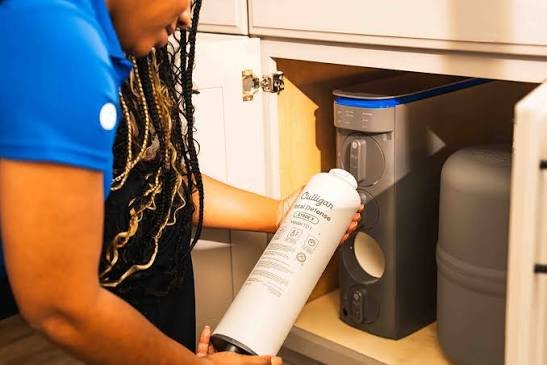
When consulting a provider such as Waterhouse Water Systems, discuss filtration media, backwashing requirements, replacement expenses, and the amount of water your household uses.
Some systems require adequate water pressure and flow to clean their filtration media effectively. Others involve periodic replenishment of treatment materials.
Ask how performance will be verified following installation.
Keeping maintenance records and arranging appropriate follow-up testing can help identify changes before they become significant problems.
A well-planned arrangement should fit comfortably into your household routine rather than demand constant attention.
Enjoying Well Water With Fewer Everyday Frustrations
Owning a private well in Eastern Iowa offers a sense of independence, but it also comes with responsibilities that deserve attention.
Understanding groundwater conditions, arranging reliable testing, and selecting appropriate treatment can help homeowners manage mineral-related concerns more effectively.
Perhaps the most noticeable improvements will be fewer new stains on bathroom fixtures, better-tasting water, or less frustration when washing light-colored clothing.
These aren’t necessarily dramatic changes, but they’re meaningful ones.
Your household depends on its well throughout the year. Giving that essential resource proper care is a practical investment in everyday comfort, responsible homeownership, and greater confidence in the water your family uses.