Water doesn’t need to have an overpowering smell or unusual color to leave you dissatisfied. Sometimes, it’s just a slightly bitter aftertaste that makes you reach for bottled water instead. Perhaps you’ve noticed that your afternoon tea tastes different at home than it does at your favorite café. Water quality could be part of the explanation.
For households looking to address unwanted dissolved substances, reverse osmosis (ro) offers a practical treatment method that goes beyond ordinary sediment filtration.
Although the technology might sound complicated, residential systems are designed to fit into familiar household environments, particularly kitchens.
Before investing in one, however, it’s worth understanding how the process works, what it can accomplish, and whether it suits your family’s actual needs.
What Makes Reverse Osmosis Different From Ordinary Filtration?
A basic water filter typically captures suspended particles or uses activated carbon to reduce certain unwanted tastes and odors. Reverse osmosis takes the treatment process further by using a specialized semipermeable membrane.
Water pressure pushes water through this membrane while many dissolved substances are rejected and carried away through a separate discharge stream.
Depending on the system’s verified capabilities, this process can reduce dissolved salts, nitrates, certain metals, and other targeted contaminants.
The distinction matters because water can look perfectly clear while still containing unwanted dissolved substances.
However, reverse osmosis isn’t a universal solution for every water quality concern. Equipment performance depends on membrane condition, incoming water pressure, temperature, and other operating factors.
Appropriate water testing helps establish whether this treatment method would be beneficial.
Why Several Filtration Stages Can Make a Difference
Water treatment isn’t always about relying on a single filtration component. Different materials and technologies perform different jobs, and combining them can improve overall treatment performance.
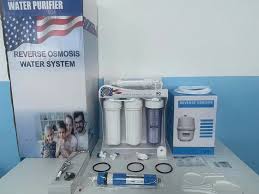
Many multi-stage reverse osmosis systems incorporate sediment filtration, activated carbon, a membrane, and a final polishing filter to address different water characteristics throughout the treatment process.
The initial sediment filter captures suspended particles that could interfere with downstream equipment. Carbon filtration helps reduce certain substances that may affect membrane performance, including chlorine in systems using chlorine-sensitive membranes.
The membrane then handles much of the dissolved substance reduction.
A final carbon filter may help improve the taste of treated water before it reaches the drinking faucet.
Some systems also include remineralization cartridges for homeowners who prefer a different mineral balance and taste.
More stages aren’t automatically better, though. Each should serve a useful purpose.
Finding a Filtration System That Fits Your Kitchen
Kitchen space can be surprisingly difficult to manage. Between cleaning supplies, storage containers, plumbing connections, and everyday appliances, there isn’t always much room left for additional equipment.
When comparing reverse osmosis filters for home use, consider available installation space, daily drinking water consumption, production capacity, and ongoing maintenance expenses.
Traditional under-sink systems often include a storage tank, allowing treated water to remain available for immediate use.
Tankless models generally occupy less cabinet space and produce treated water on demand, although their performance depends on equipment design and operating conditions.
Think about your family’s routine. Do several people fill reusable bottles every morning? Do you frequently prepare large meals?
These practical details can help determine which arrangement would work best in your kitchen.
Bringing Better Flavor to Everyday Meals and Beverages
Water plays a bigger role in cooking than many people realize.
It’s used in soups, pasta, rice, homemade sauces, coffee, and countless other recipes. When water has an objectionable taste, those characteristics can sometimes influence the finished result.
Suitable filtration may provide a more neutral-tasting starting point for food and beverage preparation.
Coffee lovers might notice differences in their morning brew, although some mineral content is desirable for balanced flavor and extraction.
Having conveniently accessible treated water may also encourage family members to refill their drinking bottles rather than purchasing packaged water regularly.
None of these changes needs to feel particularly dramatic. Sometimes, the pleasure is simply enjoying a refreshing glass of water without thinking twice about its taste.
Understanding Water Efficiency and Operating Costs
Reverse osmosis requires consideration of water consumption because the process creates both treated water and a concentrated reject stream.
Different systems offer different water recovery efficiencies.
When evaluating equipment, ask how much incoming water is required to produce a given quantity of treated drinking water.
Replacement cartridges, membranes, electricity requirements for certain models, and professional servicing can also contribute to ownership costs.
An inexpensive filtration system may become less economical if replacement components are costly or difficult to obtain.
Looking beyond the initial purchase price helps homeowners make a more informed decision about long-term value.
Keeping Your Reverse Osmosis Equipment Working Properly
Like most household equipment, reverse osmosis systems need occasional attention.
Preliminary filters require periodic replacement, membranes eventually lose performance, and certain components may need routine sanitization.
Follow manufacturer maintenance recommendations and investigate unexpected changes in water flow or treatment performance.
If your equipment is intended to reduce potentially harmful contaminants, appropriate follow-up testing is particularly important.
Don’t assume that pleasant-tasting water is necessarily safe. Private well owners should arrange relevant laboratory testing and address microbial risks through suitable treatment.
Keeping a simple maintenance record can help ensure servicing doesn’t become another forgotten household responsibility.
Making Better Drinking Water an Everyday Habit
Improving drinking water doesn’t have to become an unnecessarily complicated project.
Start with reliable testing, select equipment with demonstrated treatment capabilities, and choose a system that fits your available space and household budget.
With proper installation and consistent maintenance, reverse osmosis can provide a convenient approach to addressing specific drinking water concerns.
After all, water accompanies nearly every part of our daily routine. From that first cup of tea to the last glass before bedtime, having water you genuinely enjoy is a small but worthwhile improvement to everyday life.