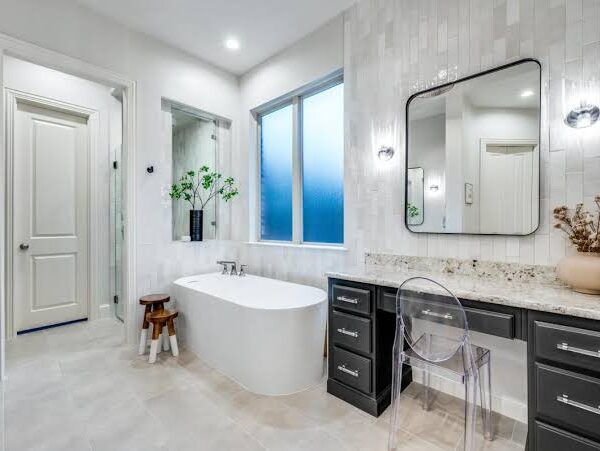
You spend a good amount of time cleaning the bathroom, polishing the faucets, and making sure everything looks fresh. A few days later, those familiar white marks are back. Your drinking glasses look cloudy, the showerhead needs cleaning again, and even your freshly washed towels feel a little rough.
Sound familiar? The problem might not be your cleaning routine at all.
Many homeowners experience the effects of water hardness without realizing how much it influences their daily lives. Although hard water is common and isn’t generally considered a health hazard, excessive mineral concentrations can create frustrating maintenance problems throughout the home.
Understanding what causes these issues and how to manage them can save you time, reduce unnecessary expenses, and make everyday household tasks a little easier.
What Makes Water Hard in the First Place?
As water travels through soil and rock formations, it naturally collects dissolved minerals. Calcium and magnesium are primarily responsible for making water hard.
The concentration of these minerals varies depending on geography, water sources, and local geological conditions. Some households receive relatively soft water, while others experience considerable mineral accumulation.
When mineral-rich water evaporates, it can leave behind a chalky residue. Heating water can also encourage certain minerals to form solid deposits inside appliances and plumbing components.
That’s why kettles, water heaters, and showerheads are particularly susceptible to scale formation.
The frustrating part is that cleaning these deposits doesn’t address their underlying cause. Unless the incoming water conditions change, the same problems may continue appearing.
Recognizing the Signs of Excessive Mineral Content
You don’t necessarily need specialized equipment to notice the everyday effects of hard water.
Perhaps your shampoo doesn’t lather as easily as you’d expect. Maybe your dishwasher leaves spots on glassware, regardless of which detergent you purchase.
These little inconveniences can become surprisingly expensive when they lead to increased cleaning product consumption or additional appliance maintenance.
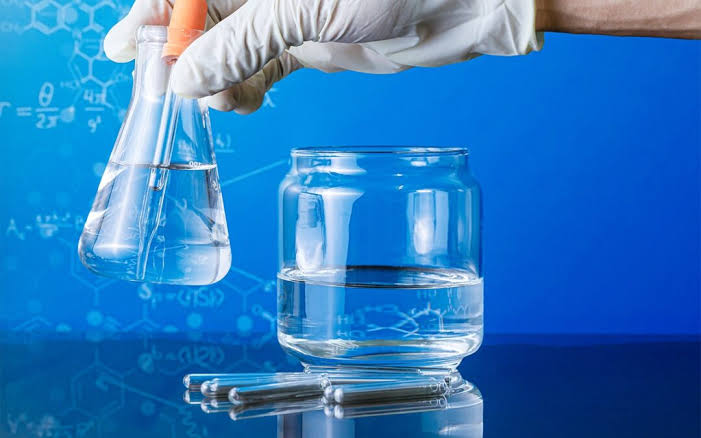
However, testing water for hardness and minerals provides a more reliable understanding of the problem than simply examining household surfaces.
Hardness testing kits can offer preliminary measurements, while more detailed laboratory assessments can identify specific mineral concentrations.
Results are commonly expressed in milligrams per liter as calcium carbonate or grains per gallon. Understanding these measurements helps homeowners determine whether treatment would offer meaningful benefits.
There’s no need to purchase expensive equipment based entirely on a few white marks around the sink.
Looking Beyond Mineral Deposits and Cloudy Glassware
Although hardness is a common household concern, it represents only one aspect of overall water quality.
A comprehensive residential water quality analysis can help homeowners investigate additional characteristics, including pH, iron concentrations, dissolved substances, and specific contaminants, depending on the selected testing panel.
For example, reddish-brown stains might indicate elevated iron levels, while certain unpleasant odors could result from naturally occurring sulfur compounds.
Other substances may be present without producing noticeable changes in taste, smell, or appearance.
Knowing the difference is important because each concern may require a different treatment method.
Homeowners relying on private wells should pay particular attention to certified laboratory testing and recommended monitoring schedules.
A complete understanding of your water can prevent you from investing in equipment that addresses only part of the problem.
How Hard Water Affects Appliances Over Time
Household appliances represent a significant investment. Naturally, you’d like them to remain functional for as long as possible.
Excessive mineral deposits can accumulate inside water heaters, dishwashers, coffee machines, and other equipment that regularly uses heated water.
Inside certain heating systems, scale accumulation may interfere with heat transfer or restrict water flow.
Even smaller appliances can experience problems. A coffee maker that regularly needs descaling is a familiar example for households with mineral-rich water.
Appropriate treatment may help limit future accumulation and reduce some maintenance requirements.
However, existing deposits might still need cleaning, and damaged components may require professional servicing.
Addressing the water itself is often more practical than repeatedly dealing with its effects.
Is a Water Softener the Right Solution?
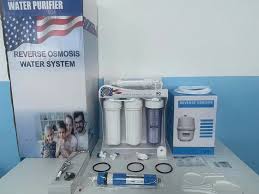
Traditional water softeners use ion exchange to reduce dissolved calcium and magnesium. This process can make water more suitable for certain household cleaning applications while helping limit mineral scale formation.
Nevertheless, not every property needs a softening system.
Consider your test results, household consumption, installation space, and ongoing maintenance expenses before making a purchase.
Traditional equipment generally requires regeneration salt and uses additional water during regeneration.
It’s also important to understand that softening doesn’t automatically make contaminated drinking water safe.
Other filtration or treatment technologies may be necessary when testing identifies additional concerns.
Simple Ways to Manage Mineral Buildup
While you’re exploring long-term treatment options, a few practical habits can make household maintenance more manageable.
Wipe moisture from faucets after use, clean removable showerheads according to manufacturer recommendations, and follow appropriate descaling procedures for coffee makers and kettles.
Pay attention to water heater maintenance schedules, particularly if your property experiences significant mineral accumulation.
These measures won’t change the mineral content of your incoming supply, but they may help manage some visible effects.
Better Water Starts With Understanding the Problem
Hard water doesn’t have to become a permanent source of frustration. Understanding your household’s water characteristics gives you the opportunity to make informed decisions rather than continually purchasing cleaning products or replacing affected fixtures.
Start with reliable testing, consider appropriate treatment options, and choose equipment that fits your property and budget.
Sometimes, improving everyday comfort begins with addressing something you’ve barely thought about before.
And when your glasses look clearer, your fixtures require less scrubbing, and your appliances experience fewer scale-related maintenance problems, those little improvements can make a worthwhile difference to everyday life.